What to Read After If We Were Villains: 7 Picks That Fit

If you’re searching for what to read after If We Were Villains, you finished it recently, probably late at night, and the hangover is real. M.L. Rio’s book does a specific thing — grief, performance, and guilt braided so tightly the characters can’t speak without quoting someone else’s tragedy — and you want that thing again. Here are seven books, ranked by how well they refill the exact glass, with one honest warning each.
On this list:
-
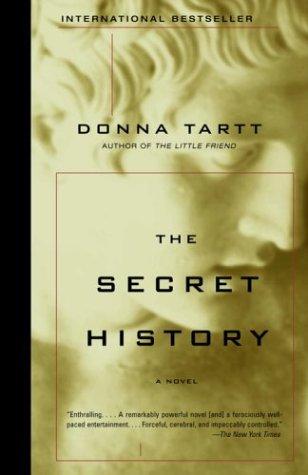
The Secret History — Donna Tartt. The obvious answer is obvious because it’s correct. Rio’s novel is in open conversation with this one: the closed circle, the confession-from-the-future structure, the death that everyone helped cause by degrees. If you somehow read Rio first, you’re in the rare lucky position of having the original still ahead of you. Warning: it’s longer, colder, and the characters are harder to love, deliberately. (If you’ve already read it too, the full read-alike ranking goes deeper down this road.)
-
Actual Shakespeare — the tragedies the Dellecher cast lived inside. Nobody puts this on the list and it’s the most direct sequel available. Half the emotional payload of If We Were Villains is carried by the lines the characters borrow, and reading the tragedies whole — Macbeth, King Lear, Romeo and Juliet — returns the favor: now the novel haunts the plays. Get editions with good notes and read them like novels, fast, not like homework. Warning: the first act of any Shakespeare play is the hardest fifteen pages; push through to the body count.
-
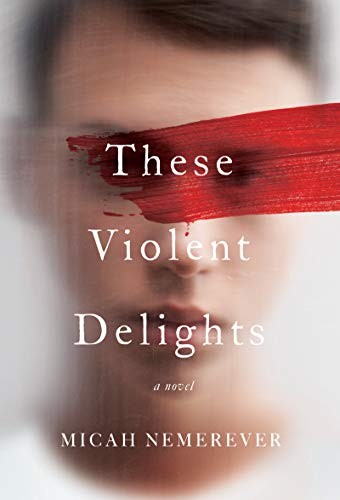
These Violent Delights — Micah Nemerever. The title is the Romeo and Juliet line, which tells you the author has read the same shelf you have. Two university students in 1970s Pittsburgh, an intimacy that escalates past all exits, a crime arriving with the inevitability of a fifth act. It takes the Oliver-and-James thread of Rio’s book and follows it into much darker water. Warning: genuinely bleak; no conservatory warmth to offset it.
-
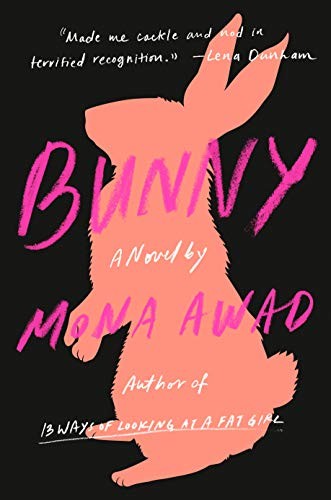
Bunny — Mona Awad. For the performance angle rather than the guilt angle. An MFA outsider gets absorbed into a saccharine-sinister clique and reality starts folding. What it shares with Rio: the way a small artistic cohort becomes a sealed ecosystem with its own physics. Warning: where Villains plays it straight, Bunny is a fever dream — if you need plots to stay literal, skip to number five.
-
Babel — R.F. Kuang. A cohort bound together inside a beautiful institution that is quietly consuming them, which is the Dellecher condition with the romance stripped off and the politics turned up. The found-family scenes in the tower are the closest any book has come to the warmth of Rio’s fourth-years before everything goes wrong. Warning: it’s the longest book here and it is angry at the institutions the genre usually swoons over — context in the canon rundown.
-
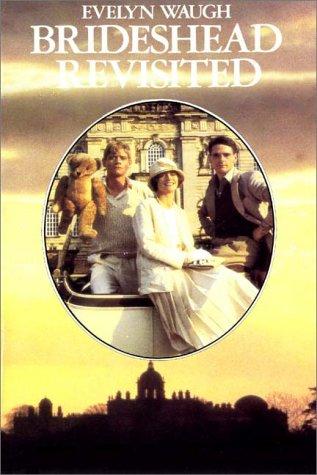
Brideshead Revisited — Evelyn Waugh. Oliver Marks narrating from prison about the gilded years is a structure Waugh built first: the older man looking back at the enchanted circle that made and unmade him. Slower, no crime, twice the ache. Warning: published 1945, paced like it; this is the pick for when you want mourning rather than momentum. More like it in the classics behind the aesthetic.
-
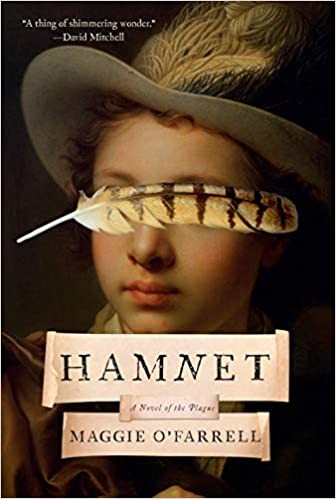
Hamnet — Maggie O’Farrell. The sideways pick. Not dark academia at all — it’s the story of Shakespeare’s family in Stratford and the death of his son, written in close, sensory prose. It earns its place here because If We Were Villains is finally a book about how grief gets metabolized into performance, and Hamnet is the same question asked about the playwright himself. Warning: will not scratch the murder-conspiracy itch even slightly. Will wreck you anyway.
One anti-recommendation to save you a disappointed week: don’t chase the Villains feeling through generic “campus thriller” lists. The thrillers deliver the body but not the love — and Rio’s book is, underneath the blood and iambic pentameter, a love story about seven people who knew each other’s lines too well. Start with Tartt if you want the murder. Start with Shakespeare if you want the language. Either way you’re still in the theater.