Books Like The Secret History, Ranked by Closeness
Every list of books like The Secret History has the same problem: nothing is actually like The Secret History. Tartt’s trick — telling you about the murder on page one and making the next 500 pages a slow explanation of how reasonable it felt — has been imitated for thirty years and matched roughly never.
On this list:
So instead of pretending ten books are equally close, I’ve ranked these by how much of the Tartt formula they actually deliver: the closed circle of friends, the seductive teacher or institution, the crime, and the narrator on the outside of the glass looking in.
The formula, for scoring purposes
What people miss about The Secret History is that it isn’t a campus thriller. It’s a book about wanting to be let in. Richard lies his way into the Greek class because the five students in it seem to live a more beautiful life, and the horror is what “in” turns out to cost. The books below are ranked by how well they understand that.
1. If We Were Villains — M.L. Rio
The closest anyone has come, and Rio knows it; the book is openly in conversation with Tartt. Swap classics for Shakespeare, Vermont for an Illinois conservatory, and you get the same shape: a tight circle of students, a death, a narrator confessing years later. Where Tartt’s students perform ancient rites, Rio’s perform tragedies until the casting bleeds into real life. It has finished first on this list since 2017 and nothing has dislodged it. I’ve written a full where-to-go-next guide for when you finish it at 2am.
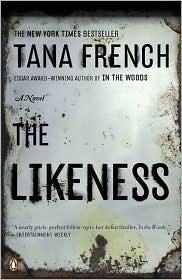
2. The Likeness — Tana French
The contrarian pick I’ll defend hardest. A detective goes undercover as a dead woman among her housemates: postgrad students living in a crumbling Irish house, sealed off from the world, devoted to each other in a way that should set off alarms. It’s The Secret History told from inside the infiltration — Richard’s outsider longing made literal and given a badge. The premise asks for some disbelief-suspension. Pay it. The middle 300 pages, where she stops wanting to leave, are the best treatment of the “let me in” feeling since Tartt herself.
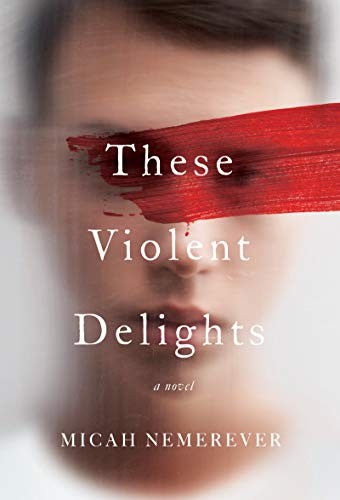
3. These Violent Delights — Micah Nemerever
Two gifted university students in 1970s Pittsburgh fall into a relationship that works like a chemical reaction with no off switch, and it goes where Leopold-and-Loeb stories go. No campus idyll, no charming professor — this one isolates the most disturbing ingredient in Tartt’s formula, the folie à deux, and studies it close up. The least fun book on this list and the one that most deserves the comparison.
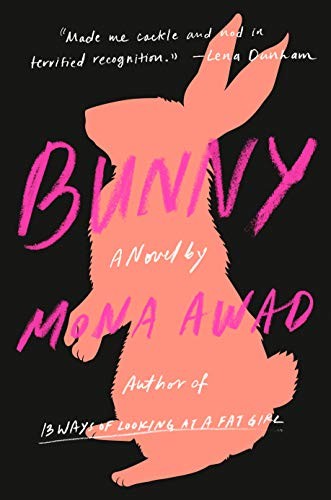
4. Bunny — Mona Awad
Yes, the rabbit one. An outsider in a precious MFA cohort gets absorbed by the clique she despises, and the book detonates into something between satire and horror. It reads like The Secret History would if Richard had been honest about how much he hated and wanted the Greek class at the same time, and also everything was hallucinating. Closer in psychology than in plot. The title character being named Bunny is not an accident.
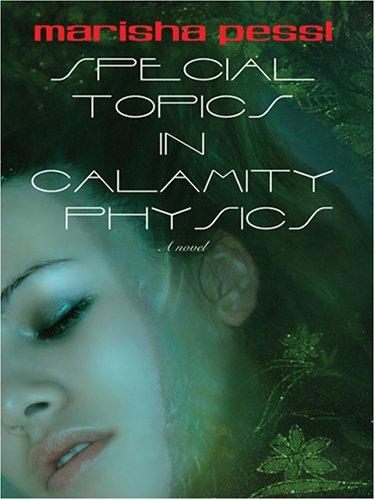
5. Special Topics in Calamity Physics — Marisha Pessl
A hyper-literate narrator, a magnetic teacher, a circle of chosen students, a death that reorganizes everything you’ve read. Pessl’s debut is showier than Tartt — every chapter is named after a Great Book, the footnotes do tricks — and some readers bounce off the cleverness. Stay for the last 150 pages, which retroactively sharpen the whole novel.
6. Babel — R.F. Kuang
Further from the formula, close to the heart. A cohort at 1830s Oxford, bound to an institution that gives them everything and owns them completely. The crime here is scaled up from murder to empire, and Kuang’s question — what do you owe a beautiful institution built on ugly money — is Tartt’s question with the politics made explicit. If the seduction of Hampden worked on you and that worries you, this is the antidote that’s still a great novel.
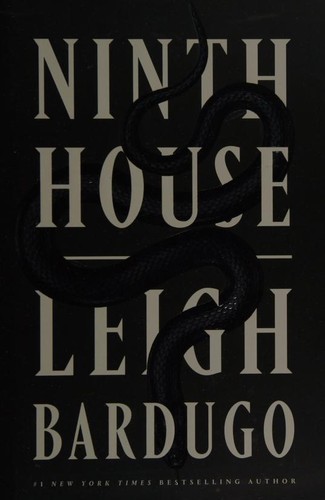
7. Ninth House — Leigh Bardugo
Shares the bones (elite school, secret group, dead girl, institutional rot) but inverts the narrator: Alex Stern is nobody’s eager outsider. The longing that powers Tartt is replaced by a survivor’s cold accounting, which makes it a different animal — a very good one. Ranked here not for quality but for distance from the formula. It sits in the full dark academia canon on its own merits.
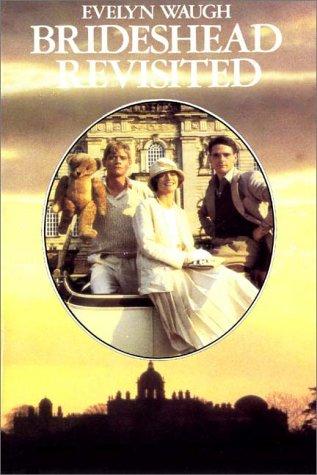
8. Brideshead Revisited — Evelyn Waugh
The ancestor. An outsider at Oxford is adopted by a glamorous, doomed, devoutly strange family, and spends the rest of his life haunted by the summer they let him in. No murder — the thing that dies is the enchantment itself. Tartt has named Waugh as an influence in interviews, and you can feel it in every sentence Richard narrates about beauty. If you want to keep walking back down this road, the classics behind the aesthetic are all waiting, most of them free.
What to skip
The Maidens gets recommended in every thread and I’d hold it for a beach: great Cambridge furniture, thriller mechanics underneath. And skip anything pitched as “The Secret History but cozy.” The cold is the point. A cozy Secret History is just a book about a study group.