Dark Academia Books: The Canon, Argued (Not Just Listed)

The canon of dark academia books is smaller than the internet pretends. Four novels do most of the work: The Secret History, If We Were Villains, Babel, and Ninth House. Everything else on the giant Pinterest lists is either an ancestor (the gothic classics), a cousin (campus novels without the menace), or a stranger someone invited because the cover had a candle on it.
On this list:
This is the argued version of the list. What’s in, what’s out, and why A Little Life keeps getting smuggled in when it shouldn’t be.
What counts as dark academia, exactly
A dark academia book needs three things: an enclosed academic world, a love of knowledge that curdles into obsession, and a body. Not always a literal body — but the genre’s engine is the gap between how beautiful the learning looks and what the characters do to keep living inside it. Aesthetic alone doesn’t qualify; tweed is set dressing, not plot.
That definition is doing real work below. It’s why some beloved books make the cut and some don’t.
The four pillars
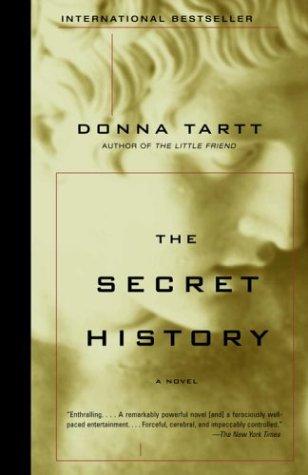
1. The Secret History — Donna Tartt (1992)
The founding text, and still the best. A group of classics students at a Vermont college, an enigmatic professor, and a murder that Tartt tells you about on the first page — the question is never who, it’s how a person gets there. Every other book on this list is in conversation with it, whether it admits that or not. If you’ve already read it and want the next hit, I’ve ranked the closest read-alikes separately, because that question deserves its own article.
2. If We Were Villains — M.L. Rio (2017)
The Shakespeare one. Seven acting students at an elite conservatory, told by one of them years later, after prison. Rio’s characters quote the plays at each other constantly, which sounds insufferable and is instead the whole point: they’ve rehearsed the tragedies so long they can’t tell when they’ve stepped into one. The closest thing the genre has to a second founding text. When you finish it (you’ll finish it fast), the what-to-read-next chain is already written.
3. Babel — R.F. Kuang (2022)
The one that interrogates the genre instead of just wearing it. Oxford in the 1830s, a tower of translators, magic worked through the gaps between languages — and underneath the gowns and silver, an argument about who pays for all that beauty. The full title includes the phrase “the necessity of violence,” which tells you Kuang isn’t here to romanticize the library. The angriest book on this list and the most ambitious.
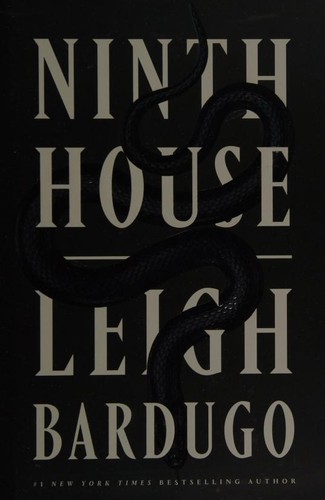
4. Ninth House — Leigh Bardugo (2019)
The genre with the gloves off. Yale’s secret societies are real and doing real occult damage, and the protagonist is not a wide-eyed scholarship kid in love with the place — she’s a survivor who can see ghosts and is unimpressed by everyone. Where Tartt’s narrator wants desperately to belong, Bardugo’s heroine audits the whole institution. Darker than the others in content; read the content warnings if that matters to you.
The second shelf
Real dark academia, one line each, no filler:
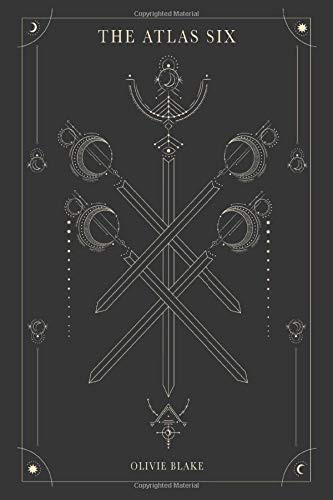
- The Atlas Six — Olivie Blake. Six magicians compete for five spots in a secret society; the body count is in the job description.
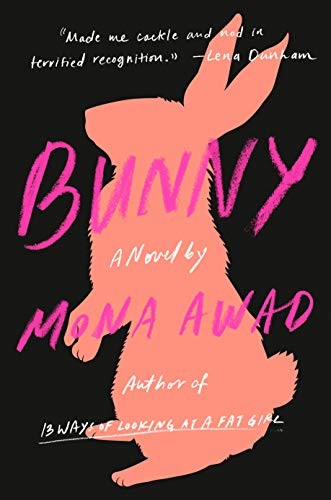
- Bunny — Mona Awad. An MFA program turns hallucinatory; the most unhinged book the genre has produced, complimentary.
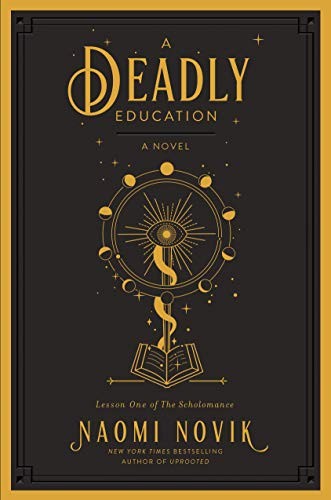
- A Deadly Education — Naomi Novik. A magic school that is actively trying to kill its students; dark academia where the academy itself is the villain.
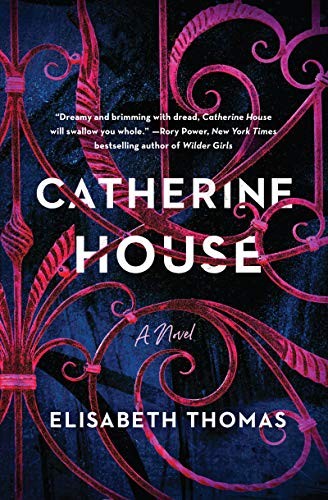
- Catherine House — Elisabeth Thomas. A tuition-free experimental college you can never leave during term; gothic, slow, strange.
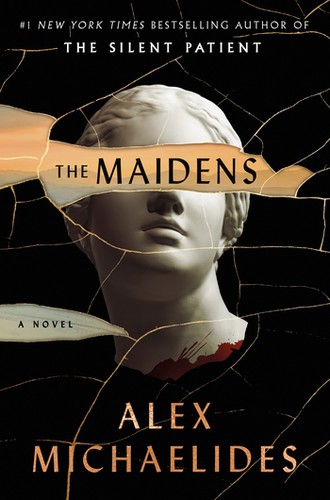
- The Maidens — Alex Michaelides. A Cambridge murder thriller orbiting a Greek-tragedy professor; airport-paperback pacing, full marks for setting.
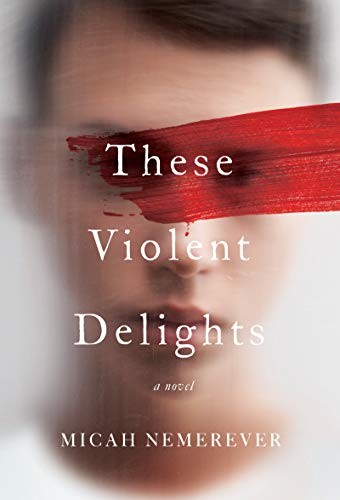
- These Violent Delights — Micah Nemerever. Two brilliant boys, one obsessive relationship, 1970s Pittsburgh; the genre’s nastiest character study.
What’s not on the list, and why
A Little Life is not dark academia. I’ll keep saying this until the lists stop. It opens with four college friends and then leaves the academy almost immediately; the suffering has nothing to do with scholarship, obsession with knowledge, or institutions. It’s a great many things — dark academia isn’t one of them. Putting it here because it’s sad and the cover is grey is how list-rot happens.
Dead Poets Society is a film. A wonderful, load-bearing film for the whole aesthetic — but you cannot read it. There’s a movie tie-in novelization floating around; it is a novelization, and you should watch the film instead.
And the gothic classics — The Picture of Dorian Gray, Jane Eyre, Frankenstein — aren’t on this list either, but for the opposite reason: they’re the foundation it’s built on, and they get their own guide. Wilde was doing “beautiful corrupted scholar” a century before Hampden College enrolled its first murderer.
Where to actually start
Start with The Secret History if you want the genre at full strength, If We Were Villains if 600 pages sounds like a commitment, Ninth House if you want fantasy, Babel if you want the version with a conscience. Wrong answers don’t really exist here, except starting with the Pinterest list of forty books. Four pillars. Begin at one.