"Read After Secret History": What Reddit Gets Right and Wrong

The “what to read after The Secret History” threads on r/booksuggestions and r/DarkAcademia are among the most-upvoted recommendation threads in either subreddit. They are also, collectively, a mess. Great picks buried under filler. One book appearing in every thread regardless of whether it fits. Contrarian takes that are actually right.
On this list:
I went through them so you don’t have to. Here’s what the hive mind gets right, what it gets wrong, and why one particular recommendation needs to stop.
The Books That Actually Deserve Their Upvotes
If We Were Villains — M.L. Rio
Reddit is correct about this one and correct for the right reasons. Seven Shakespeare students, one death, one narrator confessing years later. The debt to Tartt is open: insular group, elite institution, obsession with high culture weaponized into actual violence. Where Tartt’s characters study ancient Greek, Rio’s perform Lear and Othello — the tragedy form is doing structural work, not decorating.
The main knock (that it’s “Secret History but easier”) isn’t wrong, but easier isn’t worse if you’ve just finished 600 pages of Tartt’s density. More on what fits after this one.
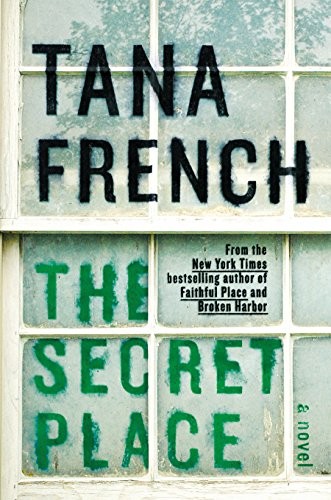
The Secret Place — Tana French
Less upvoted than it deserves. French’s Dublin Murder Squad novel set in a girls’ boarding school is exactly the combination Tartt readers want: elite institutional setting, intense female friendships, something terrible in the past. The prose is doing serious work. This is not a thriller wearing an academic costume — it’s a novel about group loyalty and memory that happens to have a detective in it.
Donna Tartt’s other two novels
Unanimous recommendation across threads. Correct. The Little Friend is strange and underrated and rewards patience. The Goldfinch is a different animal — sprawling, Dickensian — and some readers bounce off it. Reading both tells you what Tartt is actually doing across a career, which retroactively makes The Secret History richer. If you want one: The Goldfinch first for the scope, The Little Friend when you want something that disturbs you quietly.
The Ones That Keep Appearing and Shouldn’t
The Magicians — Lev Grossman
This recommendation needs a restraining order. Yes, there’s a small elite school for magic. Yes, the protagonist is literary and depressive. But The Magicians is a deconstruction of fantasy wish-fulfillment — it’s in conversation with Narnia and Harry Potter, not Tartt. The vibe is disappointed irony, not beautiful dread.
It’s a good book. It is the wrong recommendation.
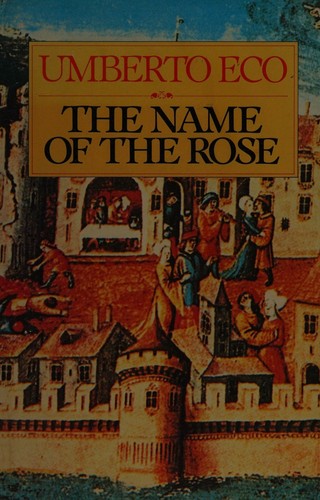
The Name of the Rose — Umberto Eco
Keeps appearing with the justification “medieval monastery, intellectual atmosphere.” Technically true. But Eco’s novel is a semiotics lecture wrapped in a murder mystery, written in 1980 by an Italian academic. The reader wanting dark academia energy after Tartt is going to hit the first hundred pages of ecclesiastical Latin debate and feel actively punished. Recommend this to someone who wants Eco, not to someone who wants another Secret History.
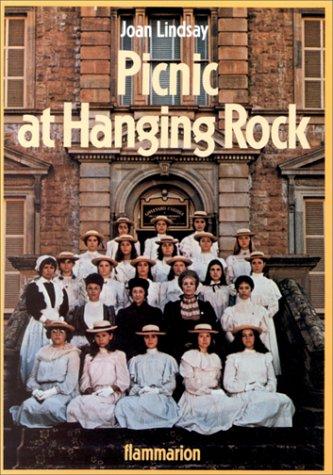
Picnic at Hanging Rock — Joan Lindsay
Interesting case. The atmosphere is right: elite school, mysterious disappearance, repressed Edwardian dread. The structure is not. Lindsay deliberately refuses resolution; if you want the payoff of Henry’s confession, this will frustrate you. That’s a feature for some readers. But threads recommend it without that caveat, which is a disservice. The gothic academia post covers it more honestly.
The Underrated Picks That Get Buried
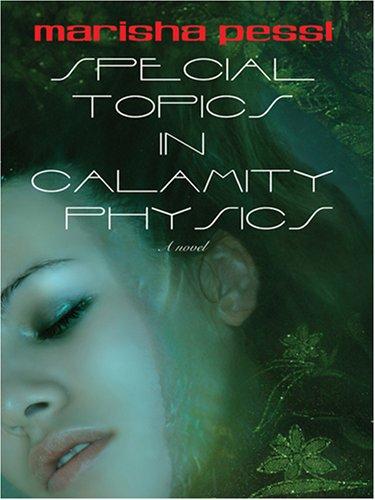
Special Topics in Calamity Physics — Marisha Pessl
Consistently appears lower in threads than it deserves. A precocious narrator, a charismatic professor, a suspicious death, and a structure built around a course syllabus. This is Secret History’s closest American cousin in terms of actual construction: outsider joins a charmed circle, something goes wrong, the narrator reconstructs events after the fact. The prose is dense and shows off and earns it.
The reason it gets buried: the ending divides people. But the divisiveness comes from how committed the whole thing is to its own logic.
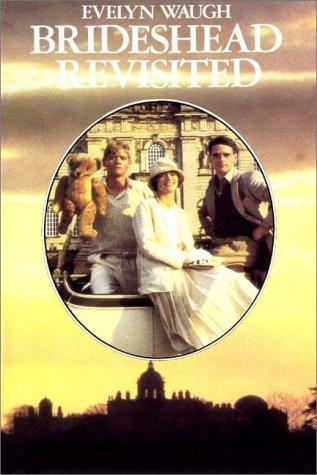
Brideshead Revisited — Evelyn Waugh
Mentioned in a fraction of threads, which is too low. The obsessive outsider narrator, the glittering group he attaches himself to, the doom spreading through everything — this is a structural and tonal ancestor of Secret History rather than a straight read-alike, and it’s better for that. Reading it after Tartt shows you what Tartt was working from. The classics behind the aesthetic makes this case at length.
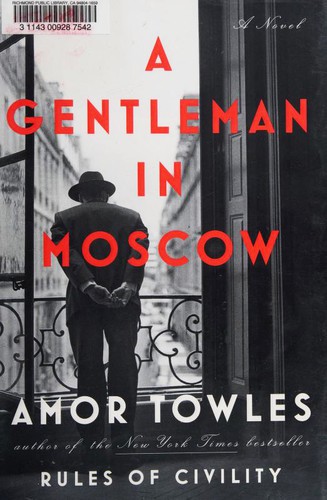
A Gentleman in Moscow — Amor Towles
Occasionally surfaces with “if you liked the enclosed world and the elegance.” Fair. But the dread is absent — Towles is warm where Tartt is cold. Right for readers who want the atmosphere without the body count.
Reddit’s Structural Blind Spot
The threads almost always recommend forward — more contemporary novels with dark academia aesthetics — and almost never recommend backward to what made Tartt possible.
Wilde. Waugh. Huysmans. The gothic novels. The decadent tradition.
The Picture of Dorian Gray is basically pre-dark-academia and reading it after Tartt is a genuine shock of recognition — not “this is similar” but “this is where it comes from.” Threads that don’t mention Wilde are missing half the conversation.
The honest order: If We Were Villains, then The Secret Place, then Pessl’s Calamity Physics, then Brideshead, then Tartt’s other two. Everything else is noise with varying upvote counts attached.
Skip The Magicians unless you specifically want Narnia-as-disappointment. You were warned.