Dark Academia for Beginners: 5 Books, Honest Order

If you’ve seen the mood boards — candlelit libraries, Latin marginalia, someone crying over a dead poet — and you want the books that go with that feeling, the obvious answer is The Secret History. The less obvious answer is that a few of the most-recommended titles in this genre will make a bad first impression if you come in cold.
On this list:
Five entry points, ranked by how beginner-friendly they actually are. Not by prestige. Not by how often they appear in “dark academia essentials” graphics. By whether a new reader will finish them.
1. If We Were Villains — M.L. Rio (2017)
On-ramp score: 9/10
Shakespeare conservatory. Seven students. One death. Rio writes in a voice so controlled it pulls you through 300 pages before you notice how tightly wound the plot is. The theatrical setting does a lot of work: the characters are performing at all times, which means their pretension is the point, not a barrier. You’re watching people collapse under the weight of being the kind of person who memorizes King Lear for fun. That’s funny and sad and exactly what this aesthetic is supposed to be.
You don’t need to know the plays. The book teaches you what you need as it goes.
If you like it, there’s a natural chain from here — see what to read after If We Were Villains before you randomly grab the next thing.
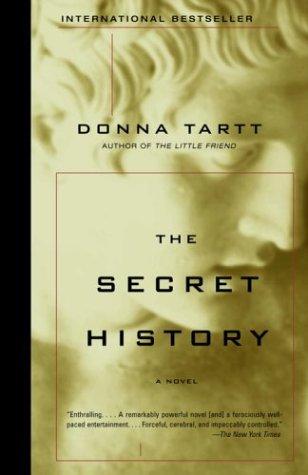
2. The Secret History — Donna Tartt (1992)
On-ramp score: 7/10
Yes, it’s the genre-defining text. Yes, you should read it. But “start here” isn’t automatic. Tartt spends the first third of the book establishing Vermont atmosphere and classics-student social dynamics before anything happens. If you know what you’re walking into — deliberate pace, morally compromised narrator, sentences that take their time — that’s not a problem. If you’re expecting thriller momentum, you’ll bounce.
Read the opening not as setup but as the whole point. The beauty is the dread. The dread is always already there.
It’s the center of gravity for this genre; the full dark academia canon argument makes the case for why. Just don’t make it your first book if you’re not a patient reader.
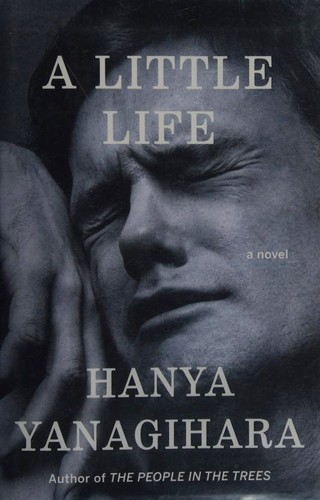
3. A Little Life — Hanya Yanagihara (2015)
On-ramp score: 4/10 — read the warning
Technically adjacent to dark academia rather than core (no university setting, no intellectual obsession with classics). But it shows up on enough lists that it needs addressing. The prose is extraordinary. The content is not for everyone: sustained, graphic depictions of childhood abuse and self-harm, 700 pages of escalating grief. Readers who didn’t know what they were getting into have described it as a kind of ambush.
Read it eventually. Don’t read it first. Don’t read it when you’re already low.
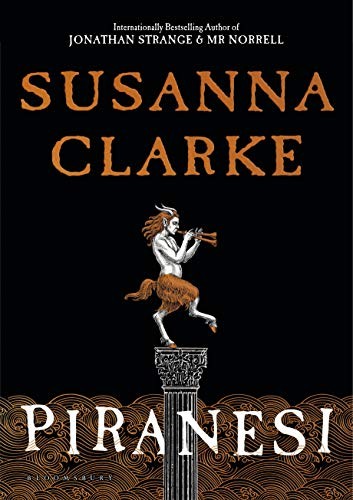
4. Piranesi — Susanna Clarke (2020)
On-ramp score: 8/10
272 pages. A man lives in an infinite house full of statues and tidal halls; he doesn’t know how he got there. Clarke’s prose is precise, calm, and quietly devastating. The puzzle-box plot rewards attention without punishing readers who miss things.
This is the book to hand someone who wants dark academia but isn’t sure they like “old” books. It has the interiority, the obsessive note-taking, the sense that knowledge is both salvation and trap — all of it, in a form that moves fast enough to keep sceptics onboard.
5. Babel — R.F. Kuang (2022)
On-ramp score: 5/10 — length warning
545 pages about Oxford’s translation institute in 1830s Britain, colonial violence embedded in etymology, and the cost of assimilating into a system designed to use you. The footnotes are part of the argument, not decoration.
The length is only a problem if you approach it like a plot machine. It isn’t one. It’s an essay that happens to have characters. If you read it as that — a long, angry, precise argument about language and empire, illustrated — it works completely. Stall around page 200 and you’ve been treating it wrong.
Save it for your second or third dark academia book. Then it lands harder anyway, because you’ve already bought into the aesthetic’s love of institutions — and Kuang systematically dismantles that love.
The one to skip as a starter: Ninth House
Leigh Bardugo’s Ninth House appears on almost every beginner list, which is baffling. It opens with a sexual assault. It contains detailed violence throughout. These are handled seriously and purposefully — Bardugo isn’t being gratuitous — but “dark academia for beginners” and “graphic content warnings from page one” are not the same category. Come back to it. It’s worth it. Just not first.
The actual beginner order: If We Were Villains, then Piranesi, then The Secret History. That sequence takes you from accessible to foundational without making you earn the genre before you know whether you like it.
After those three, the books behind the dark academia aesthetic is where to go next.