Dark Academia Fantasy: 10 Books Where the Magic Has Tuition

The overlap makes sense once you see it. Dark academia is already a genre about cost: the cost of knowledge, of belonging, of wanting something badly enough to do terrible things for it. Add a magic system and you haven’t changed the genre — you’ve just made the tuition literal. The best dark academia fantasy books understand this. The bad ones put spells in a boarding school and call it done.
On this list:
The ranking below is by how much the magic costs the characters. Not in money (though sometimes that too), but in the things worth losing: health, memory, relationships, moral coherence, the person you were before you started.
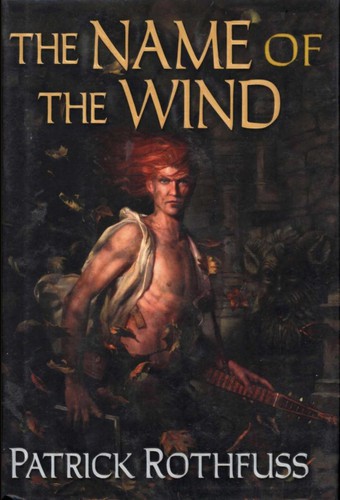
1. The Name of the Wind — Patrick Rothfuss (2007)
Cost: Poverty, cold, and the slow erosion of the self you were trying to protect
Kvothe pays for his education at the University in literal talent — sympathy lessons that bleed heat from his own body, chronic near-bankruptcy that requires him to be smarter than everyone around him just to survive. Push too hard in a sympathy link and you pass out in the street and wake up hypothermic.
The University is the most fully realized dark academia institution in fantasy: a place that rewards brilliance and punishes poverty, where the masters are themselves brilliant-and-punished, and where knowledge is explicitly framed as dangerous. The protagonist is unreliable even to himself. That’s the point.
It’s on the dark academia canon list for a reason. Being the exceptional student costs more than anyone tells you at enrollment.
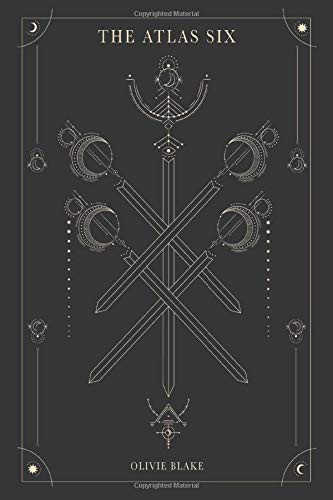
2. The Atlas Six — Olivie Blake (2020)
Cost: Other people, your ethics, and probably someone’s life
Six magicians get recruited into a secret society that has been hoarding the world’s knowledge for centuries. One won’t make it through the year. The cost here isn’t physical — it’s relational. You cannot trust anyone in this house because everyone is calculating what your death might be worth to them.
The magic is elemental manipulation plus specialty abilities, and the more dangerous practitioners pay in isolation. They simply cannot maintain ordinary human warmth while being what they are. Written as tragedy, not cool. That’s what separates it from the knockoffs.
Six picks sorted by what hooked you in The Atlas Six if you want to go deeper.
3. Babel, Or the Necessity of Violence — R.F. Kuang (2022)
Cost: Identity, complicity, and eventually everything
The magic system is silver-working: translation bars that power Britain’s empire by exploiting the gap between what words mean in different languages. The cost is structural. To be good at this magic, you have to be a colonial subject, educated away from your own culture, then deployed in service of the system that displaced you.
Robin learns this slowly and then all at once. The magic is beautiful and the price is the entire argument of the novel — the most uncomfortable book on this list for exactly that reason.
Books like Babel for the institution-skeptics if that angle appeals.
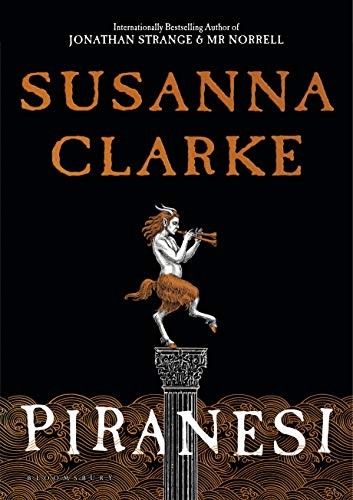
4. Piranesi — Susanna Clarke (2020)
Cost: Memory, selfhood, the whole question of what you actually are
Not a school story. A stranger and more disturbing institution: a labyrinthine House with infinite halls, statues that may be alive, tides that move through marble corridors, and one man who has forgotten almost everything about who he was.
The magic here is the House itself — an impossible place that grants knowledge in exchange for the people who enter it. Several have not returned. Piranesi’s cost is already paid before the book begins; the novel is about discovering what was taken.
No other book on this list makes the price of magical knowledge so physically concrete. You trade your biography.
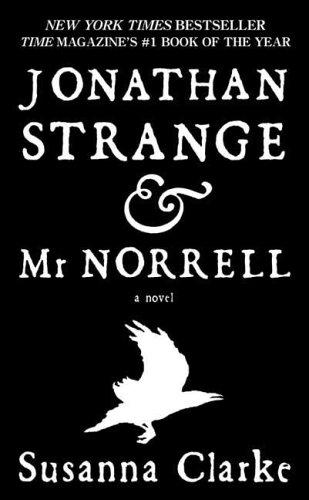
5. Jonathan Strange & Mr Norrell — Susanna Clarke (2004)
Cost: Decades, relationships, and the boundary between the civilized and the feral
English magic has been dormant for three hundred years. Norrell revives it by hoarding it. Strange learns it by going to war with it. The costs are asymmetric: Norrell pays in paranoia and moral cowardice; Strange pays in his wife, his sanity, and eventually the daylight.
The magic is dangerous not because the spells are hard but because magic belongs to the fairy courts, and borrowing their methods means becoming something the Enlightenment can’t categorize. The academic apparatus — footnotes, scholarly debates, textbook arguments about which magician is legitimate — is the joke and the point simultaneously.
A long book. It earns every page.
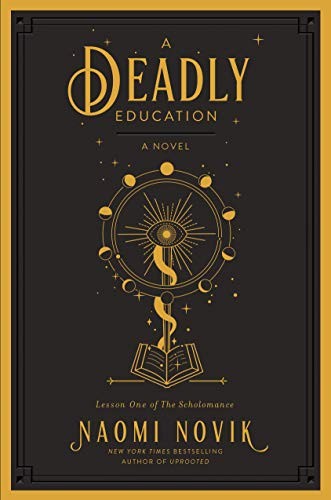
6. A Deadly Education — Naomi Novik (2020)
Cost: Constant mortal peril, social isolation, and the thing you won’t let yourself become
The Scholomance is a school that tries to kill you. Literally. The walls grow monsters; the food sometimes bites back; graduation requires running a gauntlet that kills a significant percentage of each class. El Higgins has an affinity for mass-destruction magic she refuses to use because if she starts she’s not sure she’ll stop.
The cost is her restraint. She has power she won’t spend, which means she pays differently from everyone else — in safety, in allies, in the reputation of being difficult. The students who use their gifts most freely survive longest but lose something in the exchange. El’s refusal to trade is itself the plot.
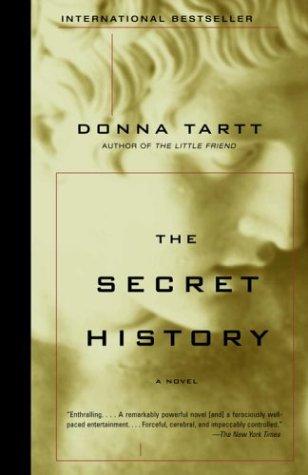
7. The Secret History — Donna Tartt (1992)
Cost: A friend, a conscience, the rest of your life
Technically not fantasy, but the Greek ritual the Classics cohort performs is real within the novel’s logic, and the cost is as literal as magic gets: they see a god, and then they commit murder, and then they spend the rest of their lives metabolizing both experiences. If you want dark academia fantasy in mood and effect — forbidden knowledge, close group, terrible outcome — this is still the text everything else is measuring itself against.
The ranked list of books like The Secret History exists if you need the next step after finishing it for the third time.
8. If We Were Villains — M.L. Rio (2017)
Cost: A person, and the story you’ll have to tell yourself about it forever
Seven Shakespeare students at a conservatory. The plays they perform start leaking into their actual lives, or possibly they’ve been performing their actual lives as plays all along and can’t stop. The magic here is literary: these characters have read so much tragedy that they start living inside its logic, and that logic demands a body.
They know they’re in a tragedy. They can see the structure. They do it anyway.
Seven picks for what to read after If We Were Villains — including several on this list.
9. The Magicians — Lev Grossman (2009)
Cost: The discovery that getting what you want doesn’t fix anything
Brakebills is rigorous, competitive, genuinely dangerous. Students bleed for their exams in some disciplines and graduate into a world where magic is real and it doesn’t help. Quentin Coldwater gets everything he wanted and finds it hollow.
The harder magic takes years and physical toll, but the deeper cost is existential: you’re exceptional and it doesn’t matter. Most fantasy reassures you that the gifted student’s gifts will save them. The Magicians refuses. Dark academia’s central anxiety, made explicit.
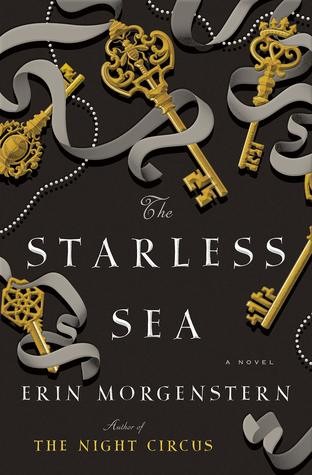
10. The Starless Sea — Erin Morgenstern (2019)
Cost: The ordinary life you might have had
The least punishing cost on this list, which is why it’s tenth. A graduate student finds a book containing a story about himself, follows it into an underground library, and learns that some people are born to belong to stories rather than to regular time. The price is the life outside.
More melancholy than dread. But it belongs because it takes the dark academia proposition seriously: obsessive devotion to books and beauty is a choice with consequences, and the main character makes it with full awareness. The library will keep you. You will let it.
The Pattern
Every book here agrees: the cost is always something the protagonist values more than they’re willing to admit before they start. Health, memory, other people, the self before the knowledge.
The magic isn’t the point. The wanting is. Every dark academia fantasy is, at its root, a Doctor Faustus retelling — whether or not it knows it. The question is never can you learn this. It’s whether you can afford to.