Dark Academia Books for Halloween, Ranked by Dread
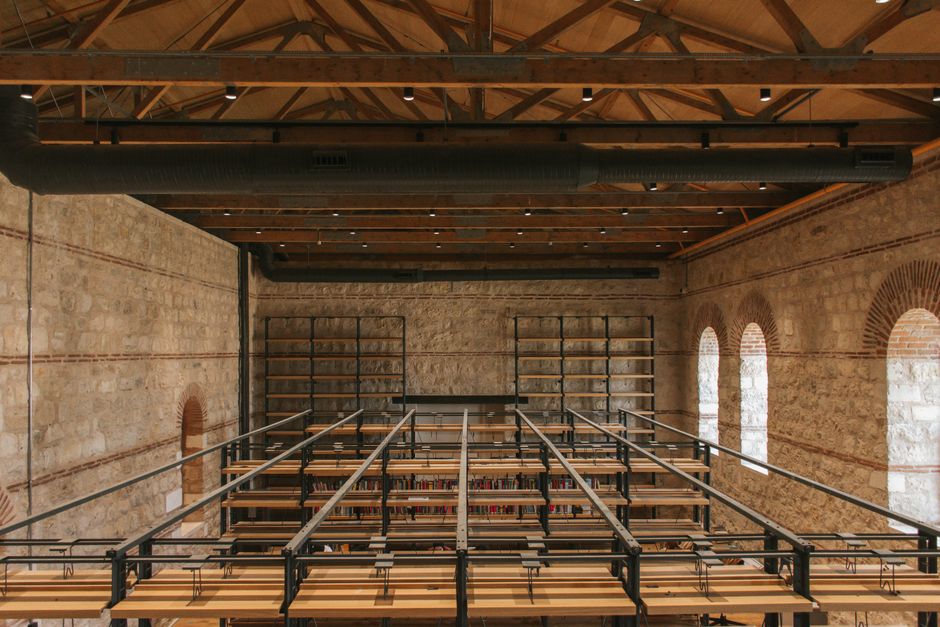
Halloween sorts dark academia readers into two camps. People who want candlelight and dead leaves and the vague sense that something is wrong. And people who want to be actually scared.
On this list:
Both are valid. The mistake is picking a book for the wrong camp.
This list ranks seven dark academia books for Halloween by genuine scare content — not how gothic the cover looks, not how many Latin epigraphs it has. The scale runs from atmospheric unease (you feel something, nothing happens) to horror-horror (something happens, you feel awful). Each entry tells you exactly what you’re in for.
The Dread Scale
1-2: Melancholy. Some dread. Mostly vibes.
3-4: Sustained unease. Possibly one scene you won’t shake.
5-6: Psychological horror. Real threat, real damage, no safety net.
7-8: The genre has arrived. Stomach-drop moments.
9-10: Why did you read this at midnight.
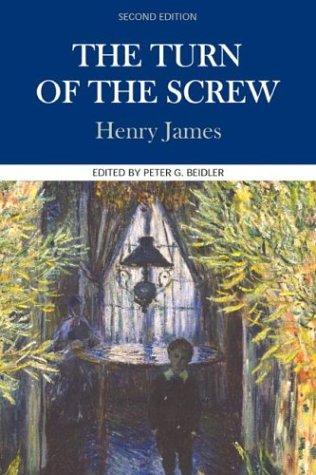
1. The Turn of the Screw — Henry James (1898)
Dread level: 3/10
The ghost story that refuses to be a ghost story. A governess at a remote English estate becomes convinced that two beautiful, unnervingly composed children are being corrupted by the ghosts of dead servants. The horror is almost entirely in James’s prose — the way certainty curdles into doubt, the way the children’s politeness becomes unbearable.
The scare is this: you never know if the ghosts are real. The governess might be unwell. The children might be innocent. By the end you’ve been living inside an unreliable narrator for 100 pages and the uncertainty itself is the horror. Nothing lunges at you.
Perfect for people who like dread as atmosphere rather than event. Read it in one sitting and you’ll finish feeling vaguely watched. That’s the ceiling.
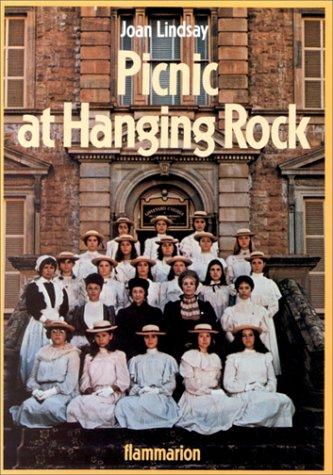
2. Picnic at Hanging Rock — Joan Lindsay (1967)
Dread level: 4/10
A group of schoolgirls on a Valentine’s Day outing in 1900 Australia climb a volcanic rock formation. Some don’t come back. The novel never explains what happened to them.
The horror is cosmological. The rock doesn’t care, the landscape doesn’t care, civilization is a thin coat of paint over something that will swallow you without noticing. The gothic-academia setting — a rigid girls’ school with a punishing headmistress — gives way slowly to something older and bigger. One character’s psychological unraveling in the aftermath is quietly devastating.
No jump scares. No monsters. Just the horrible feeling that the universe is indifferent and occasionally the ground opens up.
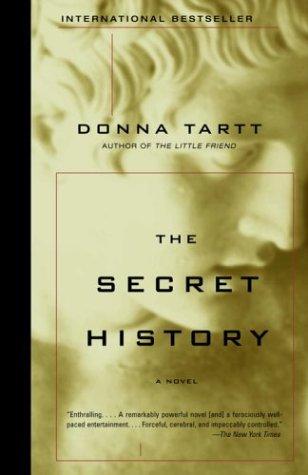
3. The Secret History — Donna Tartt (1992)
Dread level: 4/10
The ur-text of dark academia is not, strictly, a horror novel. The murder is disclosed on page one. The dread is retrospective — you watch a group of classics students spiral toward an act they’ve already committed, and Tartt makes you like them enough that you find yourself hoping for a different ending you know isn’t coming.
The horror is moral. There’s one scene involving a bacchanal in the Vermont woods that tips briefly into something genuinely supernatural-feeling, and Tartt is smart enough to leave it ambiguous. Mostly the scariest thing in The Secret History is Henry Winter, and he’s not a monster, just a person who has thought his way past empathy.
If you’re building a Halloween reading list and haven’t read this, start here. Then follow the full chain of books like The Secret History when you surface.
4. If We Were Villains — M.L. Rio (2017)
Dread level: 5/10
Seven Shakespeare conservatory students. One actor dead. One narrator who served ten years in prison before agreeing to tell the story. The Shakespearean structure isn’t decorative — Rio uses it to make you feel the machinery of tragedy closing in. You know someone dies. You don’t know who killed them, or whether the person telling you the story is capable of telling you the truth.
The violence, when it arrives, is more shocking than the novel’s composed surface prepares you for. Rio earns it. There’s a specific scene in the second half that landed harder than I expected, and I’d read Tartt twice by then.
The what-to-read-after list for If We Were Villains argues which follow-ups are worth it and which aren’t — the drop-off from best to worst recommendation is steep.
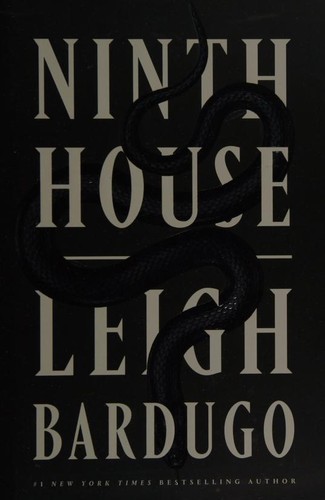
5. Ninth House — Leigh Bardugo (2019)
Dread level: 6/10
Alex Stern, a Yale student with a traumatic past and the ability to see ghosts, is recruited to police the secret societies that use actual magic. The magic has consequences. The ghosts are not friendly.
This one has genuine horror content — violence that accumulates, hauntings that are actually frightening, a Yale setting of secret passages and institutional rot sitting uneasily against the brutality of what Alex has survived and keeps surviving. Bardugo isn’t interested in comfortable darkness.
If you want dark academia that has crossed into horror territory while keeping the aesthetic intact, this is the clearest example on this list.
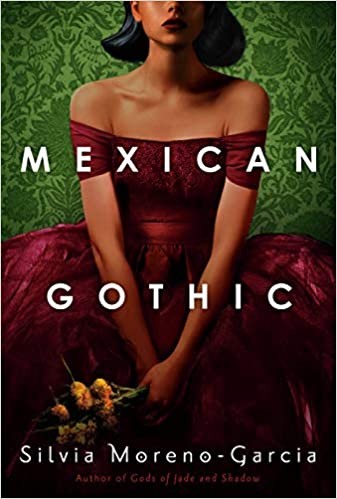
6. Mexican Gothic — Silvia Moreno-Garcia (2020)
Dread level: 7/10
Technically gothic rather than dark academia, but the protagonist — a sharp Mexico City socialite who travels to a crumbling English-style manor to rescue her cousin — is smart enough, and the book is literary enough, that it earns its place on any serious Halloween list.
The manor is called High Place. The family who owns it are English eugenicists. The walls are doing something. The horror escalates correctly, building from unease to body horror in a way that feels earned. The academic element is biology — specifically, the kind of biology the 1950s used to justify atrocities. That context makes the horror land harder.
By the back third this is a proper horror novel. The first two thirds make you care enough that it matters.
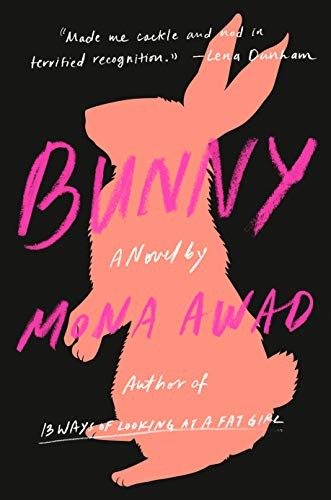
7. Bunny — Mona Awad (2019)
Dread level: 8/10
The MFA campus novel that goes fully off the map in its second half. The first half is dark academia as social satire: Samantha, a scholarship student in a prestigious creative writing program, watches four wealthy, saccharine classmates who call each other “Bunny” and exclude her with surgical precision. It’s funny and sharp and extremely recognizable if you’ve ever been in a workshop.
Then the rituals start. Then the boys arrive. Then what is real becomes genuinely destabilizing.
The horror is body horror, transformation horror, and the horror of institutions that let cruelty flourish by aestheticizing it. Awad’s prose — fever-bright, repetitive, deliberately uncomfortable — is doing work a plainer novel couldn’t. The books like Bunny list covers the rarer picks if you want more of this specific unhinged frequency.
Don’t start this one at 11pm unless you’re committed to finishing it.
The Short Version
| Book | Dread Level | Type of scary |
|---|---|---|
| Turn of the Screw | 3/10 | Unreliable narrator, no resolution |
| Picnic at Hanging Rock | 4/10 | Cosmic indifference, disappearance |
| The Secret History | 4/10 | Moral horror, character dread |
| If We Were Villains | 5/10 | Tragedy structure, real violence |
| Ninth House | 6/10 | Ghosts, institutional rot, trauma |
| Mexican Gothic | 7/10 | Body horror, escalating threat |
| Bunny | 8/10 | Transformation, full genre horror |
For the atmospheric end of the season without actual fright, the dark academia autumn stack is the better fit.
For genuine scared: start with Ninth House, work up to Bunny. Or read Bunny first and find out what you’re made of.