Dark Academia Books for Deep Winter: 8 Picks for the Long Nights
Everyone reaches for dark academia in September. There’s logic to it: tweed, dead leaves, the first week of a new term. But if you’ve actually read The Secret History, you know the book earns its keep in February, not October. The murder happens under snow. The cover-up congeals through a winter of paranoia and bad heating. The real psychological damage — Richard’s isolation, the group’s slow implosion — belongs entirely to the dark months. Autumn is just setup.
On this list:
This is a winter genre wearing autumn’s coat.
The features that define dark academia — obsession curdling into violence, a small group sealed off from the world, the particular madness of too many books and not enough daylight — are winter conditions. Seasonal affective disorder plus hubris plus a dead language. Once you read it that way, the reading list rearranges itself.
Why The Secret History’s Winter Section Is the Whole Argument
Bunny dies on page one. The back half of the novel is a Vermont February: gray, close, airless, everyone trapped together in rented houses and each other’s company. Tartt describes cold the way other writers describe weather they’ve actually lived in — specific, unglamorous, oppressive. The characters can’t leave for the same reason you don’t leave a snowed-in cabin: there’s nowhere to go and the effort of pretending to be normal outside would be worse than staying.
If you bounced off The Secret History in autumn, try it again in January. Different book.
The 8 Books
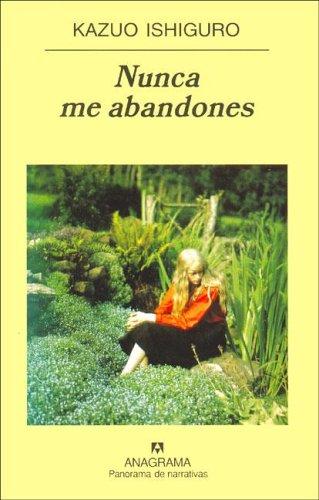
1. Never Let Me Go — Kazuo Ishiguro (2005)
Set mostly in an isolated English boarding school during the grey stretch between autumn term and nothing-in-particular. The horror is slow and administrative. No fireworks, no dramatic reveal — just the gradual understanding that the walls are closing in and everyone already knew. Read it on a short day when the light is gone by 4pm.
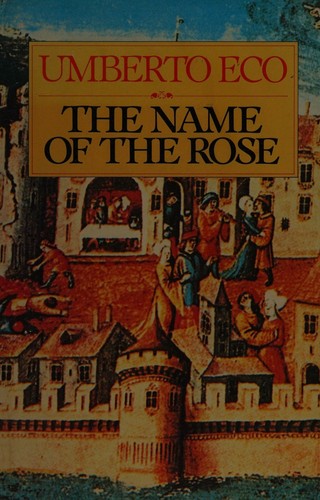
2. The Name of the Rose — Umberto Eco (1980)
A locked monastery in the Italian Alps, January, a series of murders that may or may not involve a forbidden book. William of Baskerville and his novice Adso arrive in snow and leave in worse. It’s a medieval detective novel, a semiotics lecture, and a genuine thriller — sometimes in the same paragraph. The physical cold is constant; Eco keeps returning to the monks’ breath misting in the scriptorium. Nobody should read this on a beach.
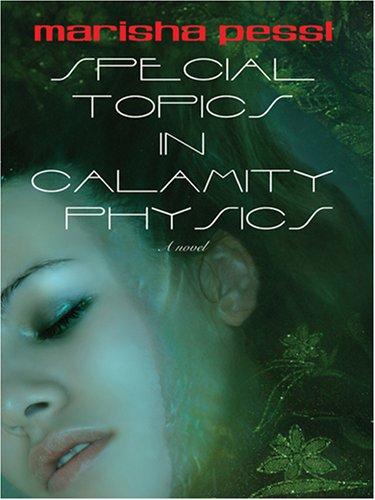
3. Special Topics in Calamity Physics — Marisha Pessl (2006)
Blue van Meer spends a school year orbiting a magnetic film teacher and a beautiful, closed-off friend group — and then something happens that can’t be undone. The novel accelerates into winter and breaks apart there. The footnoted, overreferenced style suits someone who’s been inside too long and started annotating their own thoughts. A natural successor if you finished The Secret History wanting the same architecture but a different campus.
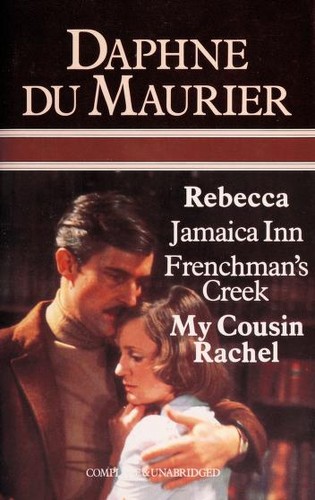
4. Rebecca — Daphne du Maurier (1938)
Manderley in winter is Manderley as it’s meant to be experienced: sea fog, dead roses, Mrs Danvers a permanent cold draft from a room you’re not supposed to enter. The unnamed narrator’s psychological unraveling is a winter process — slow erosion, not sudden fracture. This is one of the books that made dark academia possible without knowing it would. It sits on the dark academia classics shelf for good reason; in winter it becomes almost unbearably good.
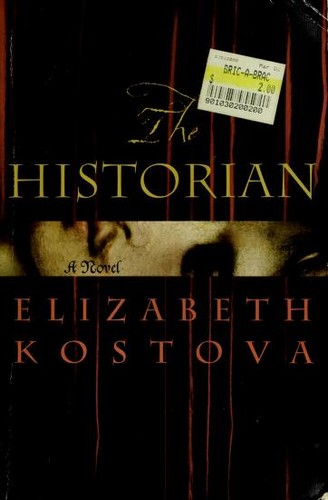
5. The Historian — Elizabeth Kostova (2005)
The longest book on this list and the one that most rewards a long stretch of bad weather. A scholar’s daughter pieces together her father’s research into Dracula — the actual historical figure — through letters, libraries, and a chase across Cold War Eastern Europe. The archives are the whole point: dusty, obsessive, the kind of research you do because you cannot stop. Good for a fortnight when you have nowhere to be.
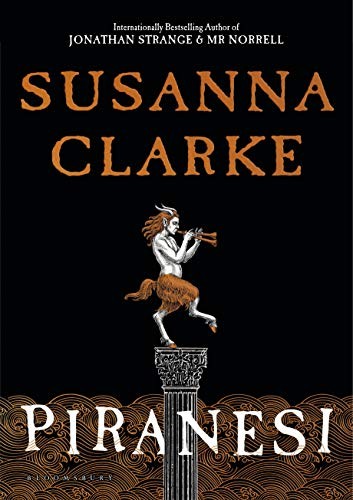
6. Piranesi — Susanna Clarke (2020)
Technically not set anywhere with weather. Actually about a man living inside an impossible house full of statues and tides, keeping meticulous journals, slowly understanding that his reality is not what he was told. The disorientation is winter-exact: that feeling of having been inside too long, time going strange, not sure what week it is. Short and one of the most unusual things on this list. If you’ve been working through the dark academia reading list in order, this is a good cold-weather detour.
7. If We Were Villains — M.L. Rio (2017)
Seven Shakespearean actors at a conservatory, one dead, one confessing years later. The crime happens across a winter term — rehearsals, snowfall, the specific claustrophobia of a campus that’s half-emptied out and left you with the same six people you’ve been wrong about all semester. The what to read after this one list exists because people finish it and immediately need another one. Save it for February and read it in two sittings.
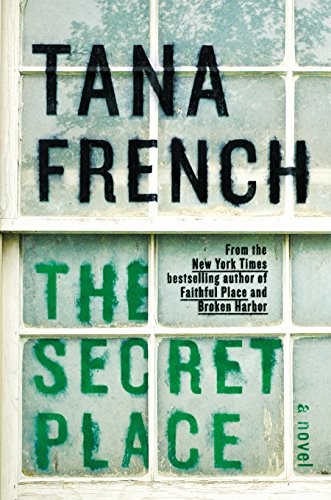
8. The Secret Place — Tana French (2014)
The Dublin Murder Squad novels are all good but this one belongs specifically to winter because of what it’s about: the sealed world of a girls’ boarding school, the hothouse intensity of teenage friendship, secrets kept for a year before they have to stop being kept. French does institutional atmosphere better than almost anyone writing crime fiction. If you liked The Secret History for the group dynamics and the Gothic architecture more than the classical Greek, start here rather than with her first.
On the Autumn Myth
The association between dark academia and autumn is real but shallow — it’s the aesthetic surface, the coat mentioned above. Leaves, wool, a leather satchel. September content.
The genre’s actual subjects — obsession, the corruption of intelligence, what closed groups do when the exits disappear, what knowledge costs — are winter subjects. They need the long nights to develop properly.
The books that earn the label aren’t cozy. They’re about what happens when the term has been going too long, the relationship has curdled, and the snow isn’t letting anyone leave.
Read accordingly.