Short Dark Academia: 7 Books Under 350 Pages

The genre has a doorstop problem. The Secret History is 559 pages. Jonathan Strange & Mr Norrell is 1,006. Even If We Were Villains clocks in at 362 before you’ve noticed. If you love the aesthetic but own a job, the standard reading list can feel like homework assigned by a professor who hates you.
On this list:

These seven books are all under 350 pages. Several are under 200. Page counts are from the most common print editions — I’ve noted where paperback runs differ enough to matter.
The List
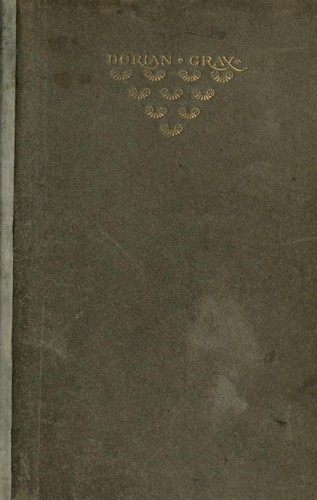
The Picture of Dorian Gray — Oscar Wilde (254 pages)
The one that arguably started everything: obsessive friendship, a mentor with bad ideas, beauty treated as a moral category, consequences arriving very late. Penguin Classics paperback runs 254 pages including Wilde’s preface, which you should read because it’s better than most novels.
One long evening, realistic. If you find yourself reading the aphorisms twice, maybe two evenings.
Already argued as canonical dark academia here — but it belongs on any short-list too, not just the aesthetic argument.
Bunny — Mona Awad (308 pages)
An MFA program, a clique of girls who call each other “Bunny,” and a narrator who starts attending their workshops and losing her grip on what’s real. It’s funny in a way that wrong-foots you, then isn’t funny at all.
The Penguin paperback is 308 pages. It reads faster than that number suggests because Awad writes in a fever-register that doesn’t let you slow down. Possible in one long Saturday. Not recommended before sleep.
See also: the deeper breakdown of what Bunny does if you want to know what to read next.
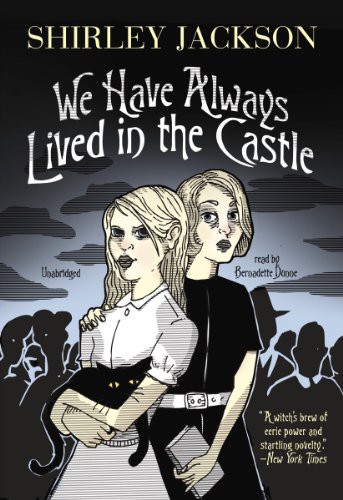
We Have Always Lived in the Castle — Shirley Jackson (146 pages)
Technically not set at a school. The academic credentials are: an isolated house treated as a library, a narrator who has organized her entire reality around private taxonomy and ritual, and the particular dread of being clever in a world that wishes you weren’t.
146 pages in the Penguin Modern Classics edition. Two hours if you read fast; three if you stop to reread Merricat’s sentences, which you will.
The Haunting of Hill House — Shirley Jackson (182 pages)
Two Jackson entries, because 182 pages that do what this book does with interiority and architecture deserve their own slot. Eleanor’s internal voice is the dark academia protagonist before the genre had a name: bookish, hungry, slightly dangerous to herself, fatally susceptible to a place that seems to understand her.
The Penguin Classics edition is 182 pages. One sitting if you start at noon; you’ll be finished before dinner and unsettled through it.
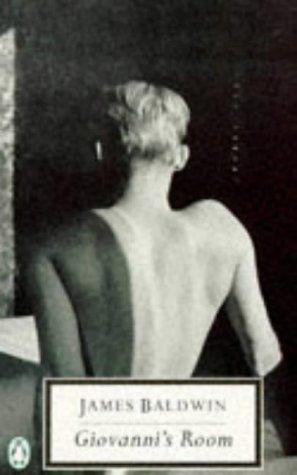
Giovanni’s Room — James Baldwin (159 pages)
Paris, 1950s, a man avoiding what he is. The academy here is less institutional — it’s the self-education of someone trying to think their way out of shame — but the intellectual register, the gorgeous sentences doing harm, the retrospective narration full of knowledge the speaker wishes he didn’t have: all present.
Penguin Modern Classics, 159 pages. Dense in the right way. Probably two sittings unless you’re good at sitting with difficult things.
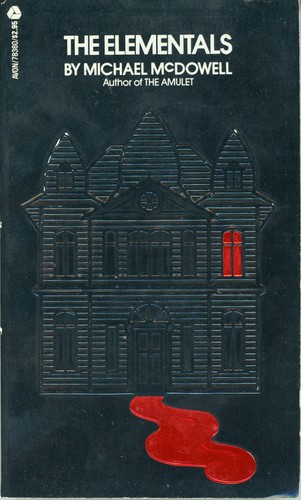
The Elementals — Michael McDowell (241 pages)
Less-cited than it deserves. Three connected Alabama families share a beach house next to a structure filling, slowly, with sand — and something else. McDowell writes atmosphere the way Shirley Jackson does: the ordinary and the wrong layered until you can’t see the seam.
241 pages in the Valancourt Books reprint (the edition worth tracking down). A long afternoon. Recommended for readers who’ve worked through the obvious Halloween-adjacent dark academia picks and want something stranger.
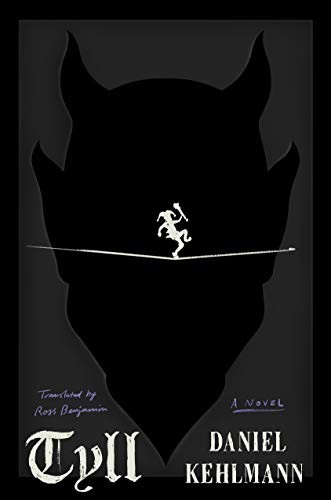
Tyll — Daniel Kehlmann, tr. Ross Benjamin (283 pages)
A German novel narrated across fragments of the Thirty Years’ War, centered on a jester who may be a trickster god. The academic angle: Kehlmann writes as someone deep inside the intellectual history of that period, and the novel is in dialogue with Doctor Faustus — literally, Faust appears — in ways that reward readers who know their Marlowe.
Pantheon hardcover is 283 pages. Because it’s built from discrete sections you can put it down cleanly, but you probably won’t want to.
Page Count Table
| Title | Author | Pages (print ed.) | Realistic reading time |
|---|---|---|---|
| We Have Always Lived in the Castle | Shirley Jackson | 146 | 2–3 hours |
| The Haunting of Hill House | Shirley Jackson | 182 | 3–4 hours |
| Giovanni’s Room | James Baldwin | 159 | 3–4 hours |
| The Elementals | Michael McDowell | 241 | 4–5 hours |
| Tyll | Daniel Kehlmann | 283 | 5–6 hours |
| The Picture of Dorian Gray | Oscar Wilde | 254 | 4–6 hours |
| Bunny | Mona Awad | 308 | 5–7 hours |
“Realistic” means normal adult reading speed with no guilt about rereading good sentences. All are single-weekend completable.
The genre doesn’t require 600 pages and three semesters. It requires a certain kind of intelligence applied to a certain kind of doom, and Jackson managed that in 146 pages flat. Start with Castle if you want proof.