YA Dark Academia: 9 Books That Don't Water It Down

The honest thing to say first: most YA dark academia is aesthetic-only. The uniform, the Latin, the crumbling library — the vibe is there, the stakes are not. These books exist. They’re fine. But if you came to the genre through The Secret History or If We Were Villains, you know the difference between a story that uses the academy as wallpaper and one that lets the academy actually corrupt someone.
On this list:
This list flags both types, clearly, so you can pick based on what you’re after.
The 9 Books, Ranked by How Hard They Commit
Tier 1: Real stakes. Someone pays for something.
1. Ace of Spades — Faridah Àbíké-Íyíọlá (2021)
The ceiling of YA dark academia, stakes-wise. Two Black students at a predominantly white elite school start receiving anonymous texts that expose their secrets — and the revelations escalate from embarrassing to genuinely ruinous. The school itself is the villain in a structural sense, not just as a backdrop. The ending commits to what the story has been building. Nothing is resolved into comfort.
It’s also one of the few YA entries that earns comparison to The Secret History on thematic grounds: the institution as a system that consumes people, especially the ones it was never designed to protect.
If you’re buying this for a teenager, know that it handles racism, assault, and outing directly. It does so with care, but it doesn’t soften any of it.
2. If We Were Villains — M.L. Rio (2017)
Technically marketed to adult readers but consistently lands on YA shelves and gets assigned in high school English classes. It belongs here. Seven Shakespeare students at a conservatory, one death, one person who confesses without explanation. Rio builds the same closed-world intensity as Tartt, just in a drama program rather than a classics department.
The stakes are criminal. The beauty-and-rot tension is fully present. If you’re introducing a sharp teenager to the genre, this is the correct first book. There’s a reason it keeps appearing on books like The Secret History lists — it earns the comparison.
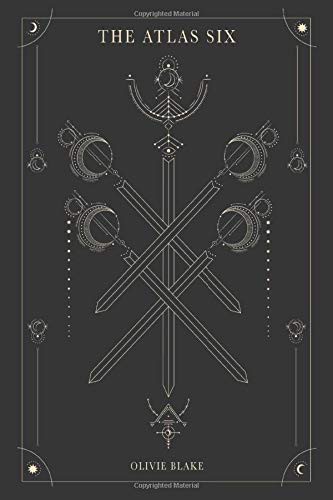
3. The Atlas Six — Olivie Blake (2020, indie; 2022, Tor)
Originally self-published, which matters because its willingness to be actually dark — characters die, loyalties corrode, the institution is explicitly predatory — wasn’t shaped by a traditional YA editorial pipeline. Blake wrote it for adults and it reads that way.
Six magicians are selected for a secret society with a cost that isn’t disclosed upfront. The selection process itself is the plot. Stakes are existential and the book doesn’t flinch from them. More on what to pick based on what hooked you here.
Tier 2: Dark academia aesthetic with real craft, lighter stakes.
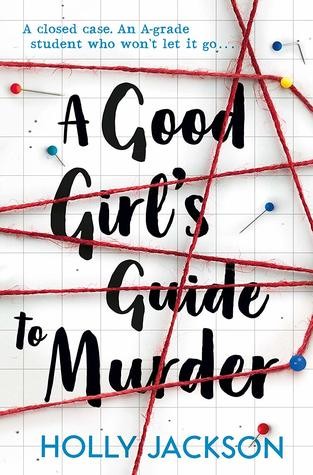
4. A Good Girl’s Guide to Murder — Holly Jackson (2019)
A high school true-crime investigation that uses the academy setting well without quite being dark academia in the philosophical sense. The protagonist reopens a closed murder case for an A-level project. It’s sharp, well-plotted, and the small-town elite dynamics are genuinely observed. Stakes are real but they’re thriller stakes — someone might get hurt — rather than the genre’s specific flavor of corruption-by-beauty.
Excellent gateway book. One of the best-paced YA thrillers of recent years. Just don’t expect the Dionysus ritual.
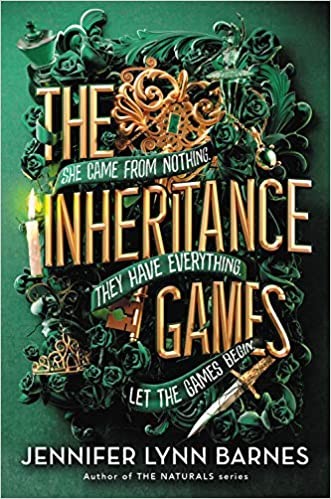
5. The Inheritance Games — Jennifer Lynn Barnes (2020)
A girl inherits a billionaire’s estate under mysterious conditions and is drawn into a family of puzzle-obsessed heirs at a manor that functions like an elite institution. The aesthetic is mansion-gothic rather than campus-gothic, but it hits the same notes: beautiful closed world, secrets with consequences, intellectual games used as social weapons. The stakes are inheritance and survival rather than corruption of the soul, but it’s executed with real skill.
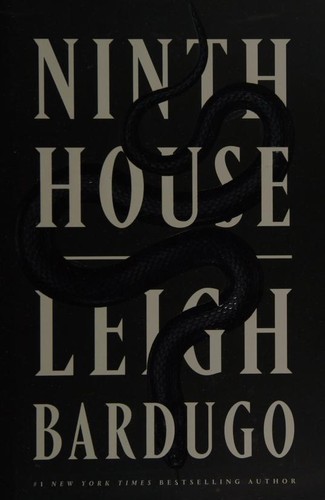
6. Ninth House — Leigh Bardugo (2019)
Adult novel, widely read by older teens, consistently appears on YA dark academia lists. Yale secret societies, real magic, one working-class outsider navigating a world built to exclude her. Bardugo doesn’t pull punches — the book opens brutally and doesn’t apologize for it.
The institution is the villain in a sustained, systemic way. Galaxy Stern is one of the more interesting dark academia protagonists because she didn’t earn her place through merit; she was recruited because of a trauma she didn’t choose. That’s a more honest version of the genre’s class anxiety than most books manage.
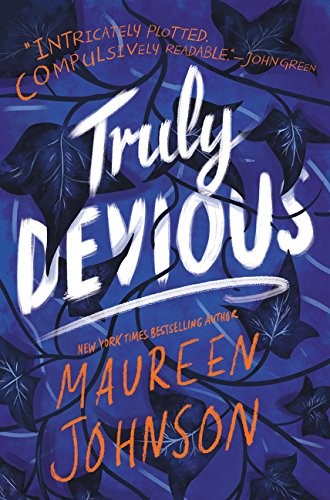
7. Truly Devious — Maureen Johnson (2018)
Stevie Bell solves a decades-old cold case at an eccentric Vermont boarding school called Ellingham Academy, founded by a man who lost his wife and daughter to kidnappers. The setting is impeccable: a school literally built around a mystery. The dark academia aesthetics are lovingly rendered.
The stakes are lower — this is a cozy mystery more than a gothic thriller — but Johnson’s ear for how weird, smart teenagers actually talk is exceptional. Good for younger teens or readers who want the aesthetic without the menace. The trilogy payoff is satisfying.
Tier 3: Aesthetic-forward. The vibe is the point.
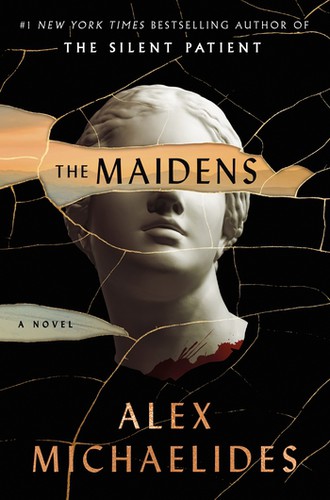
8. The Maidens — Alex Michaelides (2021)
Michaelides wrote The Silent Patient, which was a very efficient thriller. The Maidens moves to Cambridge, a secret society, a charismatic Greek tragedy professor, and a therapist who becomes obsessed with him as a murder suspect.
The setting is gorgeous on paper. In practice, the book prioritizes its twist above character logic, and the atmosphere never becomes dread — it becomes décor. Worth reading if you want the Cambridge aesthetic in detail. Don’t expect the corrupted-beauty gut-punch.
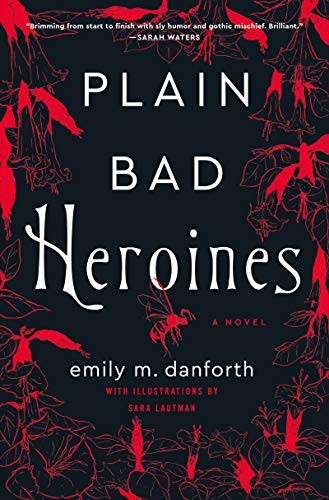
9. Plain Bad Heroines — Emily M. Danforth (2020)
Two timelines, a cursed New England girls’ school, wasp-related deaths, and a Hollywood adaptation being filmed at the original location a century later. The horror elements are genuinely strange and the queer history angle is handled with specificity. It’s long and sometimes loses the thread, but when it’s working it’s the closest thing to a gothic fever dream in this list.
Strictly speaking this is adult literary horror with dark academia flavor. But the school-as-cursed-place conceit is fully committed to. If dark academia horror is what you’re after, this one delivers.
The Quick Reference
| Book | Real Stakes | Aesthetic | Age Fit |
|---|---|---|---|
| Ace of Spades | ★★★★★ | ★★★★☆ | 16+ |
| If We Were Villains | ★★★★★ | ★★★★★ | 17+ |
| The Atlas Six | ★★★★☆ | ★★★★☆ | 17+ |
| A Good Girl’s Guide to Murder | ★★★☆☆ | ★★★☆☆ | 14+ |
| The Inheritance Games | ★★★☆☆ | ★★★☆☆ | 14+ |
| Ninth House | ★★★★★ | ★★★★☆ | 18+ |
| Truly Devious | ★★☆☆☆ | ★★★★☆ | 13+ |
| The Maidens | ★★☆☆☆ | ★★★★★ | 16+ |
| Plain Bad Heroines | ★★★★☆ | ★★★★☆ | 18+ |
How to Pick
For a teenager encountering the genre for the first time: Truly Devious or A Good Girl’s Guide to Murder gets them in the door. Then Ace of Spades once they’re ready for the genre to mean something.
For a 16+ reader who wants the real thing: If We Were Villains first, then decide whether they want their dark academia closer to mystery (back to Jackson) or closer to horror — the Halloween reading list has options.
For adults shopping for a sharp teenager: Ace of Spades is the pick that doesn’t condescend. It’s the YA book that most earns its place next to the adult genre.
The best books in this genre — at any age level — do the same thing: they let the beautiful, closed world actually cost someone something. The ones that keep the beauty and skip the cost are the ones you forget by January.
Ace of Spades you don’t forget.