Books Like A Deadly Education: Schools That Bite Back

The premise of A Deadly Education is almost too clean: a school designed to kill its students, a protagonist who might be its most dangerous graduate yet, and a curriculum measured in survival rates. Naomi Novik builds the Scholomance into a genuine antagonist — not a setting, an enemy.
On this list:
That specific flavor is harder to find than it looks. Most school fantasies use the academy as backdrop. The picks below use it as threat. Some are YA, some are firmly not; some lean fantasy, some lean gothic horror. All of them understand that the scariest institution is one you can’t transfer out of.
The Closest Match: Same Genre, Same Bones
Babel: An Arcane History — R.F. Kuang (2022)
Oxford, 1830s, silver-working magic that runs on translation loss. The institution here is not trying to kill you with monsters; it’s trying to kill you with complicity. Four scholarship students discover that the university’s power is built on colonial extraction, and that attending means enabling it. The magic is elegant. The moral horror is not. If Novik’s Scholomance is honest about physical danger, Kuang’s Oxford is honest about structural violence. More literary, longer, angrier — and completely worth it. Fuller breakdown in Books Like Babel: 8 Picks for the Institution-Skeptics.
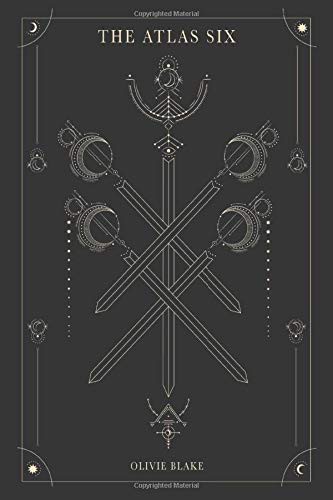
The Atlas Six — Olivie Blake (2022)
Six magicians. One secret society. One person gets cut. The Alexandrian Society functions like a postgraduate Scholomance: the selection process is the institution, and the institution does not care about you. More interpersonal intrigue than monster-dodging, but the same underlying architecture — brilliant people trapped in a system that benefits from their competition. More at Books Like The Atlas Six: 6 Picks by What Hooked You.
Schools That Would Fail Any Safety Inspection
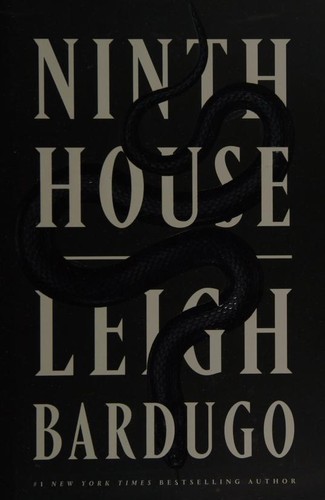
Ninth House — Leigh Bardugo (2019)
Yale’s secret societies rendered as genuinely sinister magical institutions with body counts. Galaxy Stern didn’t earn her place here — she survived something that makes the admissions office nervous. Bardugo’s Ivy League is openly predatory toward people without power and protective only of legacy. Darker than A Deadly Education, less YA in tone, more interested in class and trauma. The institution punishes vulnerability; the protagonist has learned to weaponize hers.
The Magicians — Lev Grossman (2009)
Brakebills accepts you based on aptitude and then spends several hundred pages demonstrating that magical ability is not sufficient protection against depression, bad decisions, or the world being fundamentally indifferent. The school here is less lethal than the Scholomance but more psychologically corrosive. It promises meaning and underdelivers. That gap is the point. Quentin Coldwater is the anti-El: he has every advantage El doesn’t and wastes them spectacularly.
The Scholomance is the fantasy. The Magicians is the hangover.
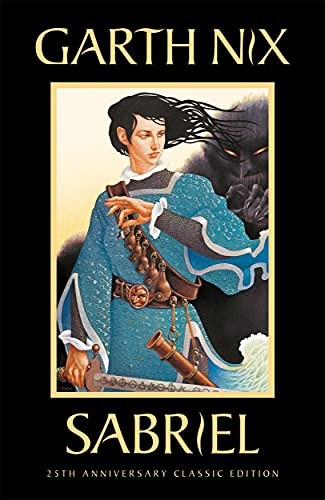
Sabriel — Garth Nix (1995)
Technically a boarding school novel. Technically. Ancelstierre’s Wyverley College sits just south of the Wall that separates the living from the dead, and Sabriel has to walk out of it into a necromantic crisis before the book is twenty pages old. The school is safe precisely until it isn’t. Nix wrote this thirty years ago and it still moves faster and hits harder than most current releases. Start here if you want the YA fantasy lineage that feeds directly into Novik.
The Gothic Cousins
If We Were Villains — M.L. Rio (2017)
Seven Shakespeare students at a conservatory, one death, one confession, twenty years of aftermath. The institution here is the theatrical hothouse — a school that encourages its students to dissolve into roles until they can’t find themselves. The danger is psychological before it’s physical. No monsters, but the atmosphere earns its place on this list. More picks in that vein at What to Read After If We Were Villains.
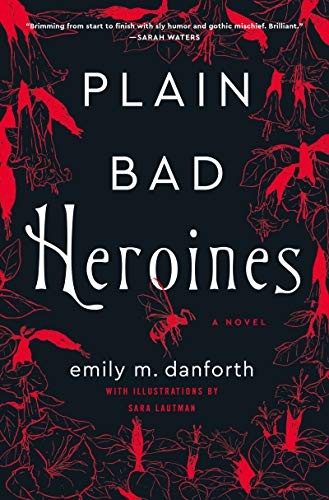
Plain Bad Heroines — Emily M. Danforth (2020)
Brookhants School for Girls, 1902: a cursed school where students keep dying, and a contemporary film crew returning to make a movie about it. Dual timeline, genuinely weird, occasionally too pleased with itself. But the hostile-institution atmosphere is thick enough to chew, and Danforth’s interest in how schools curate their own mythology is sharper than most horror novels manage.
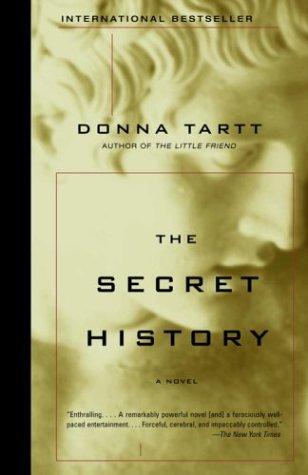
The Secret History — Donna Tartt (1992)
Still the starting point for this entire aesthetic. Hampden College isn’t physically dangerous — it’s morally corrosive. Richard Papen arrives wanting to be remade by an elite institution and ends up complicit in murder. The academy doesn’t kill students here; it produces the conditions in which they kill each other. No list in this neighborhood works without it. Full context in Books Like The Secret History, Ranked by Closeness.
The Reading Order, If You Want One
Start with The Secret History for the foundation. Move to A Deadly Education for the secondary-world fantasy version. Then Babel for literary weight, Ninth House for contemporary darkness, The Magicians for the disillusionment arc, If We Were Villains for the theatrical pressure-cooker. Plain Bad Heroines and Sabriel are for when you’ve exhausted the core and want something stranger or older.
The Scholomance at least has the decency to put the mals where you can see them.