Dark Academia Summer Reading: 10 Picks That Actually Work

The aesthetic has a PR problem in June. Tweed implies cold. Candlelight implies 5pm sunsets. Every “dark academia autumn reads” list (including ours) reinforces the idea that this genre goes dormant the moment the clocks change.
On this list:
It doesn’t. Some of the best dark academia novels are set in summer — reading terms, holiday misadventures, and the specific dread of a campus that’s almost empty. And several of the shorter, stranger picks in the canon are better suited to a beach bag than a December armchair.
Here’s the counter-seasonal case.
Why Summer Works for the Genre
Gothic atmosphere isn’t weather. It’s power, obsession, and someone who knows too much about you. Those don’t take a holiday.
Summer campuses are better for menace. Fewer witnesses. Everyone who stayed behind had a reason to stay. The Secret History’s Vermont is a summer-term trap before it’s anything else.
The shorter page counts here are deliberate. You can read these on planes, trains, or beside a pool with the book angled away from the person next to you.
The 10 Picks
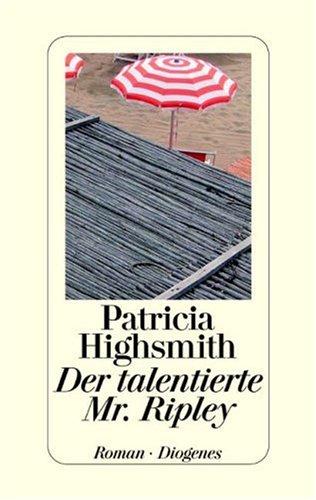
1. The Talented Mr. Ripley — Patricia Highsmith (1955, 256 pp)
Blazing Italian sun, American impostor, a borrowed life turning lethal. This is dark academia’s summer mode at full power: Ripley studies Dickie’s gestures, handwriting, and clothes the way Richard Papen studies Greek. The heat is not incidental. It makes everyone softer and stupider, except the wrong person.
Short, compulsive, and it holds a better argument for imitation-as-violence than most literary theory.
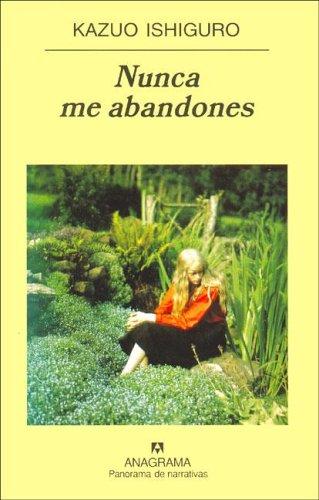
2. Never Let Me Go — Kazuo Ishiguro (2005, 288 pp)
Hailsham is summer terms and lawn games on the surface. Underneath is the most efficient dread in modern fiction. Ishiguro never raises his voice; the horror arrives like a tide you only notice after it’s at your knees.
Reads fast. Lands hard. Perfect for a long afternoon.
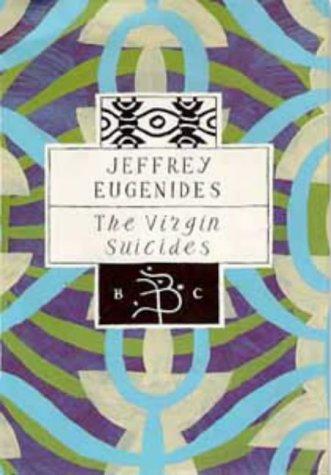
3. The Virgin Suicides — Jeffrey Eugenides (1993, 249 pp)
Set entirely in one suburban summer. The Lisbon girls are studied from a distance, catalogued, mythologized — which is, structurally, what the narrator’s obsessive scholarship does to them. The scholarship is the problem. That’s the dark academia thesis in one slim novel.
Under 250 pages and it will stay with you for weeks.
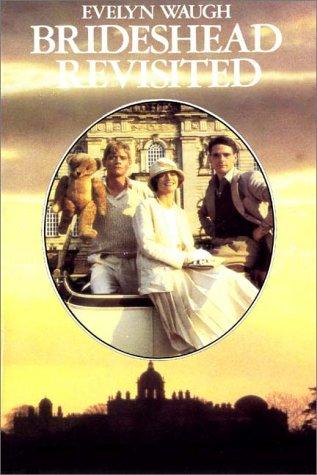
4. Brideshead Revisited — Evelyn Waugh (1945, 315 pp)
The first third is pure golden summer: Oxford, Sebastian, champagne in the grass. Waugh wrote it intending to seduce you with this world before pulling it away from both Charles and the reader. You can feel the con working on you as you read.
If you’re coming to the dark academia canon from The Secret History, this is the obvious next step. It precedes Tartt by four decades and she’s read every page.
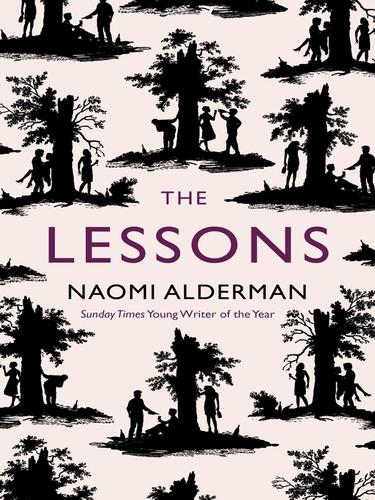
5. The Lessons — Naomi Alderman (2010, 288 pp)
Oxford novel, mostly forgotten outside the UK. A group of students in an enormous rented house, money and charisma and the specific damage that comes from both. Alderman wrote this before The Power made her famous. It’s quieter and more precise, and the villain is the kind of person who would never describe himself that way.
Genuinely underread. Good summer find.
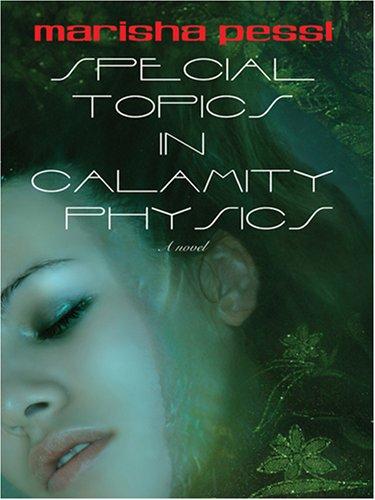
6. Special Topics in Calamity Physics — Marisha Pessl (2006, 514 pp)
The outlier on page count — but it reads quickly because Pessl structured it as chapters styled after literary syllabus entries. Blue van Meer relocates every year with her professor father, lands at a new school, attaches herself to a glamorous teacher and her circle. The murder arrives late and rewrites everything before it.
The closest structural twin to The Secret History on this list, and it peaks in summer crisis. If books like The Secret History is the post you found us through, this is the gap you have left to fill.
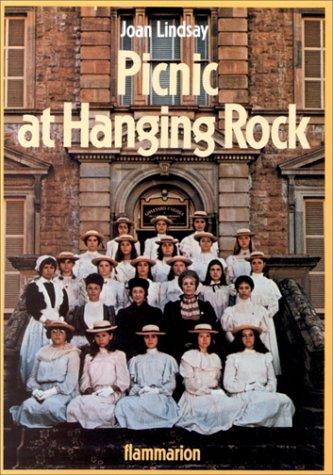
7. Picnic at Hanging Rock — Joan Lindsay (1967, 192 pp)
Valentine’s Day, 1900, Australian summer. A group of schoolgirls climb a rock formation during a picnic and some of them don’t come back. Lindsay refuses to explain. The novel is the most honest dark academia has ever been about what the aesthetic is actually doing: it aestheticizes disappearance, which is to say, the disappearance of young women.
192 pages. No resolution. Correct on both counts.
8. I Capture the Castle — Dodie Smith (1949, 343 pp)
Not sinister. Included anyway. Cassandra Mortmain keeps a journal of a summer in a crumbling English castle while her family disintegrates around her and she reads everything she can find. The energy is lighter than most entries here but the obsession with books, observation, and writing-as-survival is pure dark academia infrastructure.
Good counterweight to the heavier picks. Finish Ripley and then read this.
9. If We Were Villains — M.L. Rio (2017, 354 pp)
Seven Shakespeare students, one body, a conservatory on a lake in summer term. The post-Villains reading list exists if you’ve already been here, but if you haven’t: this is the closest a novel has come to matching The Secret History’s specific atmosphere without feeling like a copy.
The theatrical setting creates its own summer logic — performances, late nights, the way roles start to stick.
10. The Go-Between — L.P. Hartley (1953, 256 pp)
“The past is a foreign country: they do things differently there.” One summer. A boy used as a messenger between a tenant farmer and an aristocratic girl. The class machinery is never explained to him, and neither is what the adults are doing with his innocence.
Hartley writes the heat as moral loosening — a summer in which the normal rules visibly apply to some people and not others. Under 260 pages and genuinely devastating.
Building the Summer Stack
Start with Ripley (fast, hot, sets the tone), follow with Picnic at Hanging Rock (short and strange), then If We Were Villains for the full campus hit, and finish with Brideshead on a long weekend when you have room for the ending to land.
The dark academia reading list in order has the broader canon sorted if you want autumn covered too. But June through August is not dead time for this genre.
The obsession doesn’t care what the weather’s doing.