Dark Academia Reading List: 12 Books in Order

This is a syllabus, not a Pinterest board. Twelve books. A sequence that builds — each one doing something the last one didn’t, each one earning its slot. If you want the 40-book mega-list, it exists everywhere. This is for people who want to read, not collect.
On this list:


The rule for inclusion: the book had to either define the aesthetic, deepen it, or complicate it in a way that makes the others richer. Everything else got cut.
Start Here: The Foundation (Books 1–3)
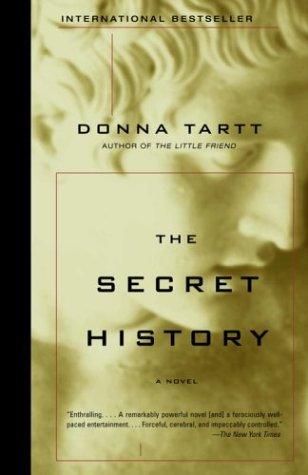
1. The Secret History — Donna Tartt (1992)
You already know. Start here anyway, or start here again. The whole genre is a conversation with this book, and you’ll miss the conversation if you haven’t heard the opening argument. The Secret History earns its canonical status for reasons beyond vibes: it’s a genuinely constructed novel, not just an atmosphere delivery device.
2. The Picture of Dorian Gray — Oscar Wilde (1890)
The Secret History’s spiritual grandfather. Obsession with beauty, the corrupting logic of aesthetics, a charismatic figure who destroys everyone nearby. Wilde does in 250 pages what lesser writers need 600 for. Read it immediately after Tartt and you’ll see every seam.
3. If We Were Villains — M. L. Rio (2017)
Same structure as Secret History (retrospective confession, insular group, one death), different setting (Shakespeare conservatory instead of classics department), different flavor. Where Tartt is cold marble, Rio is red velvet. Reading it third lets you see the architecture that makes this genre work. Seven good next-reads branch from this one once you’re done.
The Classics Layer (Books 4–6)
These are the books the characters in books 1–3 would be reading. They belong in the sequence, not in a footnote.
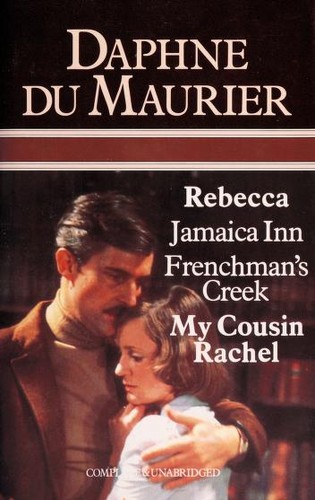
4. Rebecca — Daphne du Maurier (1938)
Gothic obsession, a house that functions as a character, a dead woman with more presence than anyone alive. If you’ve been treating dark academia as exclusively about universities and dead languages, Rebecca corrects that — the aesthetic runs on dread and beauty in equal measure, and du Maurier understood it before the label existed.
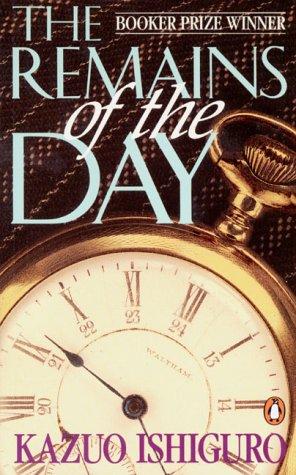
5. The Remains of the Day — Kazuo Ishiguro (1989)
Hear me out. Stevens the butler is the most dark academia character in fiction: someone who has built an identity entirely around serving an intellectual ideal, who represses everything human in the name of craft and loyalty, and who tells you the whole story while refusing to understand it. The unreliable narrator held together by aesthetic devotion. Essential.
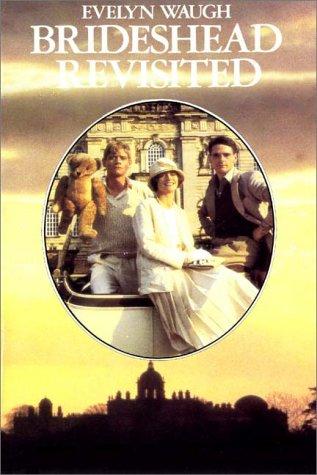
6. Brideshead Revisited — Evelyn Waugh (1945)
Oxford, impossible beauty, class anxiety, a charismatic friend who ruins you slowly, a sense that the world being described is already dying. Every scene is soaked in the knowledge that it won’t last. Dark academia’s real classical inheritance runs through books like this one — not just ancient Greece, but the 20th century’s obsession with ancient Greece.
The Tension Arc (Books 7–9)
By now you have the template. These three complicate it.
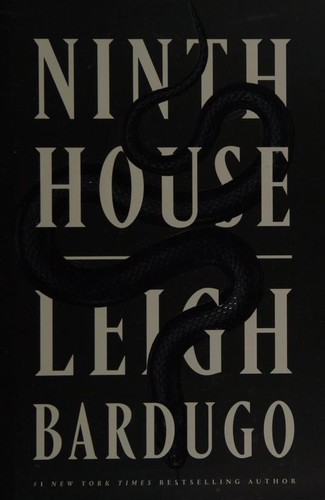
7. Ninth House — Leigh Bardugo (2019)
Yale’s secret societies as actual occult organizations, with a protagonist who is working-class and deeply unwelcome in the spaces she’s been recruited into. Dark academia that notices its own class politics. It’s longer and messier than the books above, but that mess is the point.
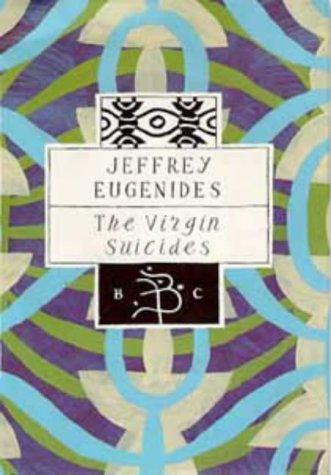
8. The Virgin Suicides — Jeffrey Eugenides (1993)
Five sisters, a suburb, collective obsession and collective narration. It belongs here because it runs the same engine — beauty, obsession, distance, tragedy — but strips away the university entirely. If you thought the aesthetic required Latin translations and stone libraries, Eugenides will correct that.
9. Bunny — Mona Awad (2019)
An MFA program, a clique of wealthy girls, something going very wrong. Plays the genre’s conventions against themselves, with a comedic register that never undercuts the dread. It’s doing something specific: making fun of the aesthetic while being an excellent specimen of it. The sequence needs this.
The Deep End (Books 10–12)
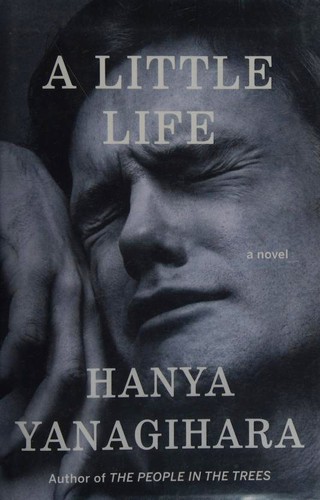
10. A Little Life — Hanya Yanagihara (2015)
Longer, harder, more devastating than anything else on this list. Four friends from a small New England college, across decades. This is not enjoyable in any conventional sense. But it’s where the dark academia impulse — art, beauty, friendship, damage — gets taken to its actual conclusion, without the genre’s usual prettifying of suffering.
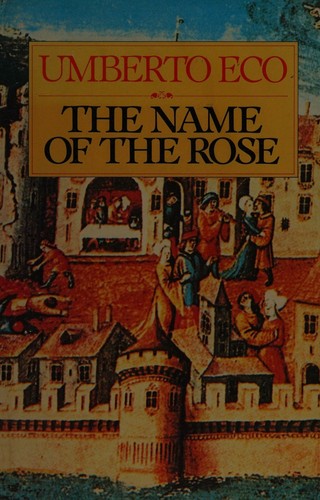
11. The Name of the Rose — Umberto Eco (1980)
A medieval monastery, a murder mystery, a library that holds dangerous knowledge. Dense with semiotics and theology and genuinely funny if you’re reading charitably. The book makes the case that learning itself can be a site of violence — which is the genre’s real subject, stated plainly.
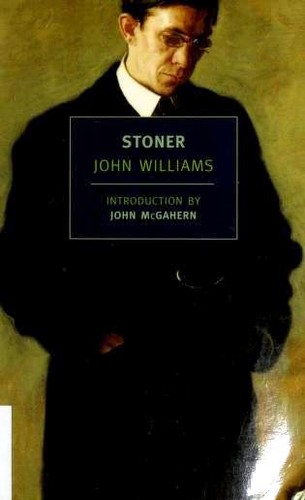
12. Stoner — John Williams (1965)
End here. William Stoner, an English professor at a state university in Missouri, has a life that is mostly failure and still builds something in his mind that no one can touch. No secret societies, no murders, no beautiful ruins. Just a person who loved literature in a world that didn’t reward it.
The quietest book on this list. After eleven others, the one that hits hardest.
What to skip
The 40-book lists include several books that are set in academia without being about anything the genre cares about. Skip anything that uses dark academia as window-dressing for a romance with no stakes. The distinction between close fits and distant relatives matters — not every book with a cardigan and a library earns a slot.
Twelve is enough.