Gothic Academia Novels: Candles, Coursework, and Dread

Gothic fiction and dark academia are not the same thing. They overlap in a specific zone — and that zone is where the most unsettling books live.
On this list:

Dark academia is obsession, beauty, elite institutions, a body in the third act. Gothic fiction is a building that knows what you did, a past that bleeds into the present, dread as a structural feature. Most dark academia novels have atmosphere but no haunting. Most gothic novels have haunting but no lecture hall. The books worth hunting are the ones where both are load-bearing — where the institution is the haunted house, and the coursework is the ritual.
That’s the definition we’re working with here. Gothic academia novels are books in which a closed academic or quasi-academic setting operates with the logic of a gothic house: secrets pressed into the walls, knowledge that corrupts, beauty that conceals rot.
Why the Distinction Matters
You can read The Secret History and feel it as gothic even though it’s technically closer to a psychological thriller about classicists. The Greek students who commit their murder are so enclosed by their professor’s world that Hampden functions like a manor. The isolation is architectural.
But a lot of books shelved under dark academia — the ones with libraries on the cover and cryptic Latin mottos — are boarding school thrillers. Nothing wrong with that. They’re just not doing the gothic thing, which is mood as argument: the idea that some institutions carry something wrong in their foundations, and that learning there costs you something you didn’t agree to pay.
Once you see the line, you can find the books that really straddle it.
The List
Jane Eyre — Charlotte Brontë, 1847
The original gothic academia novel by a defensible argument. Lowood School is a gothic institution before Thornfield Hall enters the picture — discipline enforced through humiliation, cold as punishment, a typhus outbreak treated as acceptable loss. Brontë understands that the gothic manor and the educational institution run on the same logic: someone with power decides what you’re worth. Jane’s education doesn’t save her from the gothic world; it deposits her into it.
If you need more Victorian gothic in this register, the dark academia classics post maps where this leads.
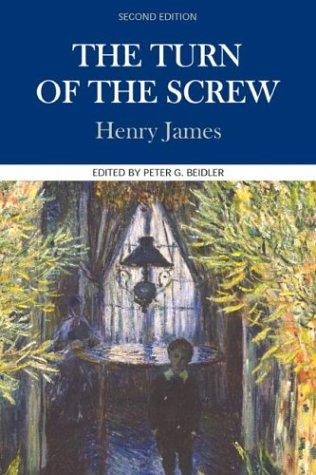
The Turn of the Screw — Henry James, 1898
Technically a governess novel, which means it’s about private instruction, an isolated estate, and the corruption of children by knowledge they shouldn’t have. The governess is both teacher and unreliable narrator, which is itself a pedagogical problem: what happens when your guide into knowledge can’t be trusted? Nothing is confirmed. Everything is deeply, sustainably wrong. Read it in one sitting if possible; the compression matters.
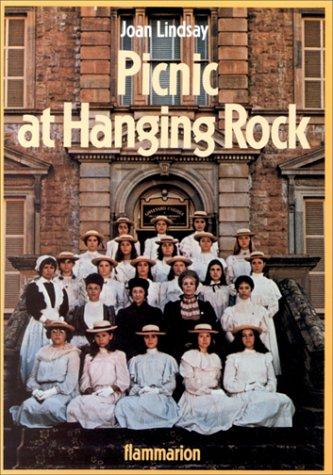
Picnic at Hanging Rock — Joan Lindsay, 1967
This one works differently. The school is a precise Victorian establishment dropped into a landscape that refuses Victorian logic. The rock does not care about propriety, examinations, or correct female behavior. The girls who disappear vanish into the gothic — the land, the heat, the inexplicable. Lindsay never explains it. The horror is that the institution has no power here. Worth reading alongside something more contained, like The Secret History’s closest analogs.
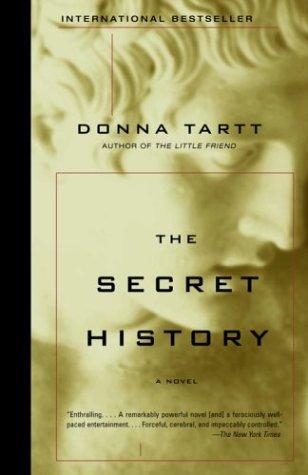
The Secret History — Donna Tartt, 1992
The Secret History earns its place here because Richard’s narration keeps aestheticizing what should horrify him. He knows he’s in a gothic novel. He just refuses to see it clearly. That’s very gothic. The canon argument is made at length elsewhere.
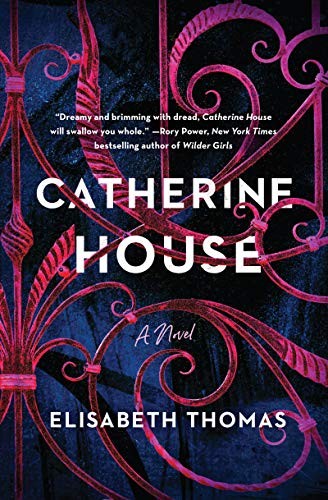
Catherine House — Elisabeth Thomas, 2020
The most explicitly gothic academia novel of recent years. A young woman enrolls at Catherine House, an elite college so isolated it requires students to cut contact with the outside world entirely. What the school wants from its students is never quite named. What it does to them is visible in their eyes.
Thomas is careful not to overexplain. The building has weight. The curriculum has teeth. The students who go deepest into the program come back different in ways they can’t articulate. This is the gothic academy at full strength: beautiful, enclosed, and hungry.
If you read it and want the next step, the beginner’s dark academia list has a few that work as palate cleansers before you go back into the dark.
Bunny — Mona Awad, 2019
Set in an MFA program, which is the most merciless possible academic setting. A small literary fiction cohort at a New England graduate school; one outsider; a clique doing something during their writing workshops that is not about workshopping. The gothic element is quiet at first and then very loud. Awad’s prose is deliberately uncomfortable — the line between parody and nightmare is the point.
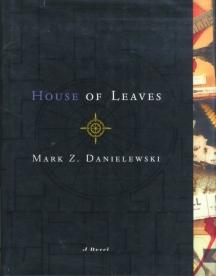
House of Leaves — Mark Z. Danielewski, 2000
A stretch, but a defensible one. The book contains a fictional academic study of a fictional documentary about a house that is larger on the inside than the outside. The apparatus — footnotes, appendices, competing narrators, an unreliable editor — is entirely academic in form. It’s a parody of scholarly analysis that gradually becomes the thing it was parodying. The most unsettling book about textual authority in the canon.
What Doesn’t Quite Make the Cut
If We Were Villains (M.L. Rio) is beloved and frequently shelved here, but it’s closer to dark academia than gothic academia — the dread is interpersonal, not architectural. There’s no building with a logic of its own. If you’ve already read it, the what to read after If We Were Villains post covers the next move.
Ninth House is gothic academia in setting but urban fantasy in execution. The institutions are gothic; the magic is a genre convention. That’s not a complaint, just a category.
The Real Test
The question to ask of any candidate: is the place doing something to the students, or are the students doing something in the place? In a boarding school thriller, the school is a backdrop. In a gothic academia novel, the institution is an agent. It wants something. It takes something. The diploma comes at a cost the brochure didn’t mention.
Catherine House wants your self. Lowood wants your pride. The Turn of the Screw’s manor wants your sanity, or maybe just wants to watch you lose it.
That’s the genre. The candles aren’t decorative. They’re the only light you’ve got.