Dark Academia Books Built on Myth (Not Just Decorated With It)
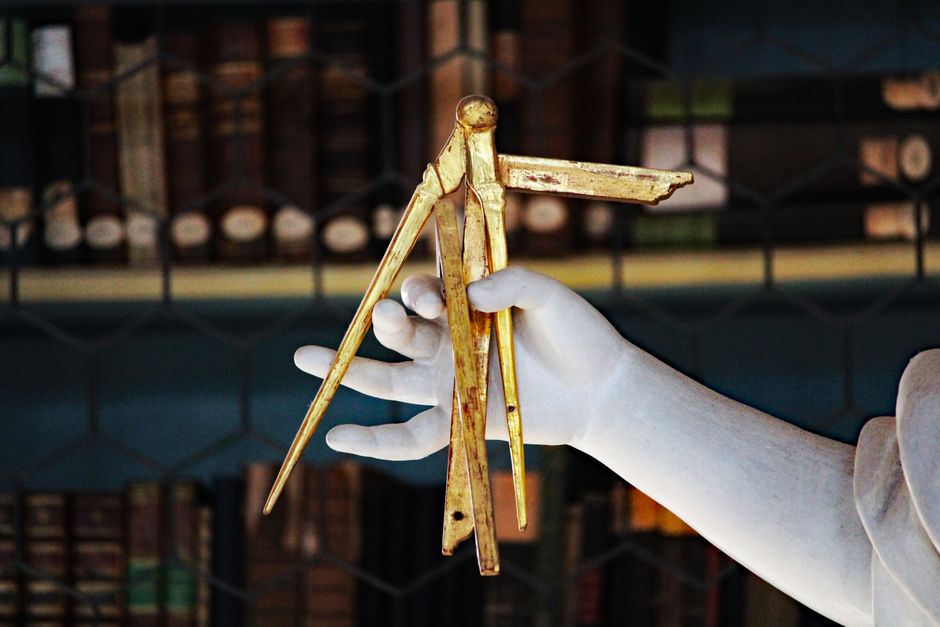
The Secret History is a murder mystery where the murder is almost beside the point. What Tartt actually wrote was a Dionysian tragedy — the bacchanal ritual, the sparagmos, the intoxicated dissolution of self. The myth isn’t decoration. It’s the load-bearing wall.
On this list:
A lot of dark academia books reach for a classical reference and call it a day. A torchlit corridor here, a Latin phrase there, someone reading Sophocles on a rainy afternoon. That’s atmosphere. What this list is about is structure: novels where Greek tragedy, the Odyssey, Ovid, or the ritual logic of myth determines what happens next. Where if you strip the myth out, the plot collapses.
These books demand you know the myth. Most of them reward knowing it back.
The ones worth your time
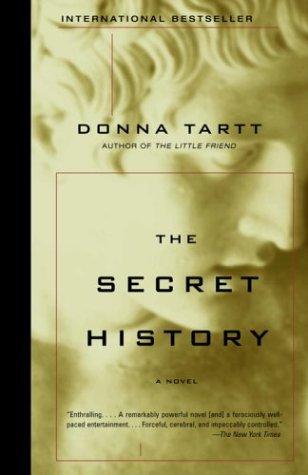
The Secret History — Donna Tartt (1992)
Start here because every other entry is partly in conversation with it. The central engine is Dionysus: the god who breaks boundaries, who promises ecstatic union with the world, who kills you in the process. Henry, Francis, Charles, Camilla, and Edmund don’t stumble into a bacchanal by accident. They construct one deliberately and then spend the rest of the novel discovering what that costs. The Greek tragedy structure is inverted — we know who dies in the prologue — so the dramatic irony is the point. Tartt is making you experience what the chorus experiences: watching the catastrophe approach and being helpless to stop it.
If you’re here as a first-timer, the dark academia books for beginners guide has the honest sequencing recommendation.
If We Were Villains — M.L. Rio (2017)
Shakespeare rather than Greek myth strictly, but Shakespeare was mining Plutarch and Seneca, so the classical DNA is there. Seven conservatory students perform increasingly dark plays — Macbeth, Othello, King Lear — and the tragedies start bleeding into their real lives. Rio’s structure is clever: which play they’re rehearsing at any given moment tells you exactly what kind of violence is about to happen. The book is essentially arguing that tragedy is contagious, that performing destruction teaches you how to enact it. That’s a genuinely mythological claim about art and ritual.
The full breakdown of what to read after If We Were Villains covers where to go when this one ends on you.
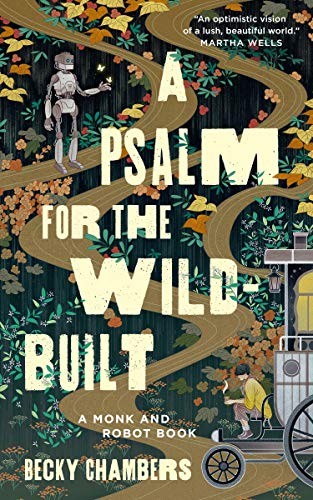
A Psalm for the Wild-Built — Becky Chambers (2021)
This one will get me letters. It’s solarpunk, not dark academia, and there’s no murder. But the Odyssey structure — a character who cannot stop moving, who encounters philosophical challenges at each stop, who is asking the question Odysseus is always asking (“what do I actually want?”) — is intact and deliberate. I’m including it because the myth-as-backbone question is so cleanly answered here that it makes a useful comparison: what does a novel look like when the Odyssey determines the shape rather than the mood?
Skip it if you need the tweed and the dread.
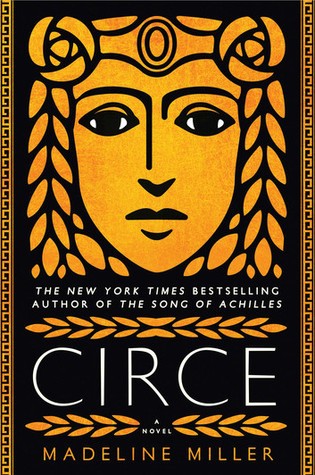
Circe — Madeline Miller (2018)
The character who gets the least page-time in the Odyssey — a witch on an island, briefly visited, easily departed — gets a full novel, and Miller uses that gap to interrogate the myth rather than simply retell it. Circe watches heroes arrive and depart, studies what heroism actually costs the people around it, and eventually becomes something the original myth has no category for. Miller studied Classics and it shows, not as showing-off but as weight. The sentences feel like they were tested against the source.
Pair it with The Song of Achilles — read them in publication order.
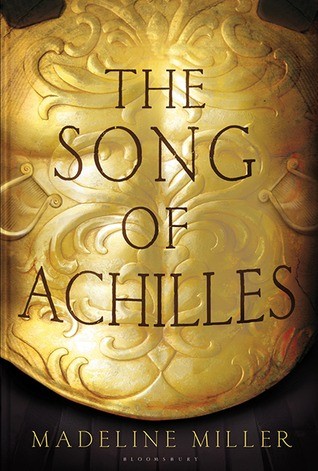
The Song of Achilles — Madeline Miller (2011)
The Iliad from Patroclus’s point of view. The novel’s central gamble is making you love what the myth has already doomed, and it works partly because Miller trusts that the reader knows the ending. The dramatic irony is the same engine Tartt uses in The Secret History — you’re watching love and catastrophe approach simultaneously. The queer reading of Achilles and Patroclus isn’t an imposition; it’s closer to the ancient source than the sanitized modern versions are. For the full argument on how queer readings of classical myth feed into the broader aesthetic, the queer dark academia canon is worth your time.
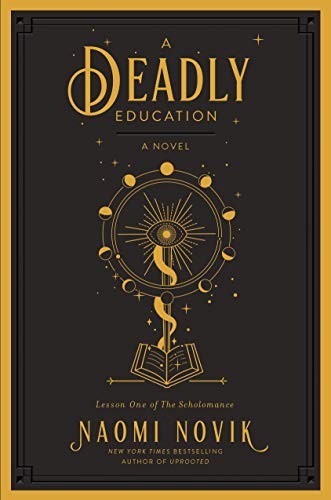
A Deadly Education — Naomi Novik (2020)
The structure here is less obvious but it’s there: Novik’s Scholomance is built on the logic of the underworld. Students are locked in with the monsters. Survival is not guaranteed. The school itself is basically Hades — you enter, you learn, you attempt to escape. The titular “deadly education” maps onto the ancient idea that real knowledge is dangerous, that true initiation requires confronting death. El’s sarcastic voice makes this easy to miss. The books like A Deadly Education list includes more titles where the mythological logic is similarly structural.
The Penelopiad — Margaret Atwood (2005)
The Odyssey again, this time from Penelope’s point of view, and Atwood is angrier about it than Miller is. The twelve hanged maids — murdered at the end of the Odyssey as an afterthought, punished for sleeping with the suitors while Penelope waited — become the chorus. They interrupt. They demand accounting. Atwood uses the Greek theatrical form (choral odes, interruptions, shifting narrators) to interrogate what the myth chose to leave out.
It’s under 200 pages. Read it in a single sitting — the maids’ chorus needs to land without pause.
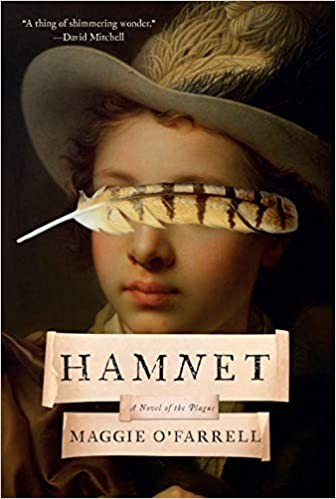
Hamnet — Maggie O’Farrell (2020)
Not mythology in the Greek sense, but Shakespeare’s Hamlet is doing what Greek tragedy does: grief processed through theatrical form. O’Farrell reverses the direction — instead of the play generating the grief, she imagines the grief (Shakespeare’s son Hamnet dying of plague) generating the play. The myth, here, is Hamlet himself, and the novel asks what it costs to turn personal catastrophe into art that outlasts everyone involved. Dark academia adjacent rather than central, but the question it’s asking — what does it mean to make art out of the people you loved — is the same question The Secret History and If We Were Villains are asking.
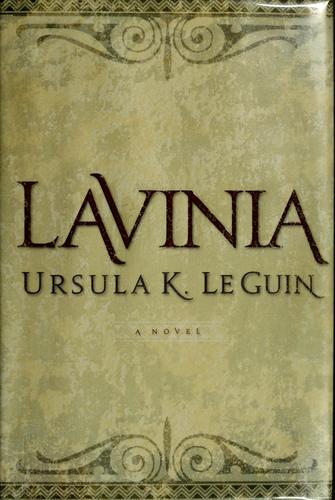
Lavinia — Ursula K. Le Guin (2008)
The Aeneid. Lavinia is mentioned in Virgil as a character with no interiority, no lines, no perspective — she’s a political object, a bride prize, a reason for war. Le Guin gives her a novel. Lavinia knows she’s a character in a poem; she has conversations with a dying poet who tells her she barely exists in his text and that his story will end before hers does. The meta-layer is strange and earned. This is what deep engagement with a classical source looks like — not borrowing the Greek tragedy furniture but interrogating the original’s choices.
What isn’t on this list, and why
Percy Jackson is not here. The mythology is used as a toybox, not a structure. That’s fine — it’s doing something different — but it’s not what this list is about.
Similarly absent: most “I went to a Gothic university and someone died” novels that reference Ovid in the epigraph but don’t actually use Ovid. An epigraph is not mythology-as-backbone. It’s a credential. You can spot the difference by asking: if you removed the myth reference, would the plot change? If the answer is no, the book belongs on a different list.
The dark academia classics post covers the ancestral canon — the Wilde, the Brontë, the Pater — if you want the Gothic-atmospheric track instead of the mythological-structural one.
The Penelopiad is under 200 pages and takes myth seriously enough to argue with it. Start there for the cleanest example of what “mythology as backbone” means in practice. Then Miller’s Circe, then back to Tartt to see how it started.