Is Jane Eyre Dark Academia? The Honest Answer
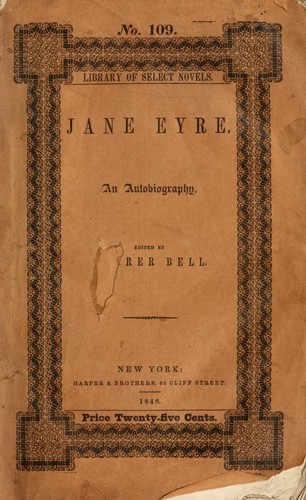
Jane Eyre is dark academia for exactly 150 pages. Then it becomes something else entirely. Both halves are worth your time — but conflating them muddles why the first half works so well.
The short answer: yes, Jane Eyre belongs in the dark academia conversation, with an asterisk the size of Thornfield Hall.
The Lowood Chapters Are the Whole Case
Chapters 5 through 10 are as close to institution-gothic as Victorian fiction gets. Lowood School has everything the aesthetic demands: a punishing educational environment, the explicit link between knowledge and suffering, a tyrannical authority figure (Brocklehurst, with his frozen theology and convenient hypocrisy), and the sense that learning is something endured rather than enjoyed.
Jane doesn’t study because it delights her — she studies because it’s the only freedom available inside a system designed to break her. That’s the dark academia engine: intellect as both cage and key. The books on her curriculum are less important than the atmosphere around them. Fog, cold, inadequate food, girls dying of typhus while Brocklehurst preaches austerity. Charlotte Brontë drew on her own time at Cowan Bridge school, and that autobiographical coldness gives the chapters their particular bite.
Helen Burns is the character who makes it literary rather than just gothic wallpaper. Her Stoic detachment — her refusal to resent the institution that kills her — is one of the strangest, most unsettling philosophical positions in the Victorian canon. She and Jane debate how to respond to injustice while sitting in freezing corridors. That’s not set dressing. That’s the book thinking.
Why the Comparison Gets Complicated After Chapter 10
Jane leaves Lowood at eighteen. She goes to Thornfield. She falls in love with Rochester. The novel shifts genre entirely — from institution-gothic to romance-gothic, from Brocklehurst to Bertha Mason, from the suffering student to the suffering woman.
This is still excellent. It’s just not dark academia. Thornfield’s gothic architecture and mystery belong to the older tradition: Ann Radcliffe, Horace Walpole, the haunted-house lineage that Brontë knew cold. The threat at Thornfield isn’t intellectual corruption or the violence of an educational system — it’s a secret kept in the attic. Different genre machinery, different dread.
People who slot Jane Eyre wholesale into dark academia are usually thinking of the aesthetic surface (rain, stone buildings, candles, formal dress) rather than the structural elements that make dark academia distinct: the institution, the dangerous mentor, the fatal compact between knowledge and belonging. Rochester is a dangerous mentor in some readings, but his danger has nothing to do with what Jane learned.
The Case For Keeping It on the List Anyway
Dark academia as a reading aesthetic has always been more porous than its canon suggests. The Secret History is the genre’s fixed star, but even Tartt’s novel blurs into Greek tragedy and something close to horror. If you’re building a dark academia reading list rather than defining a genre, Jane Eyre earns its place because the Lowood section is genuinely foundational.
Brontë invented a template. The bright, poor student in a cold institution, persisting through intellectual seriousness when emotional warmth is withheld — that’s Jane Eyre before it’s anyone else. If you want to understand why the dark academia aesthetic resonates, reading Lowood first and then reading Tartt afterward is one of the more instructive sequences available.
The romance-gothic second half shares significant DNA with the gothic academia novels subgenre — darker, more supernaturally inflected than social dark academia, less interested in competitive students and more in corrupted spaces. Thornfield qualifies.
The Honest Recommendation
If you’re specifically chasing institution-gothic, read Chapters 5–10, then move to If We Were Villains or The Secret History — both of which owe debts to exactly this section of Jane Eyre. The dark academia classics post traces this lineage in more detail.
If you want the whole novel — which you should, eventually — go in knowing it earns two different kinds of dread. Lowood is the dark academia half. Thornfield is the haunted house half. Both are Brontë at full strength.
The one-tweed-blazer crowd sometimes resists this distinction because Jane Eyre is on the aesthetic mood board and questioning the mood board feels like betrayal. It isn’t. Knowing precisely what a book does well is how you read it properly.
Lowood is dark academia. Jane Eyre is better than a label.