Adult Dark Academia: Past the Boarding School
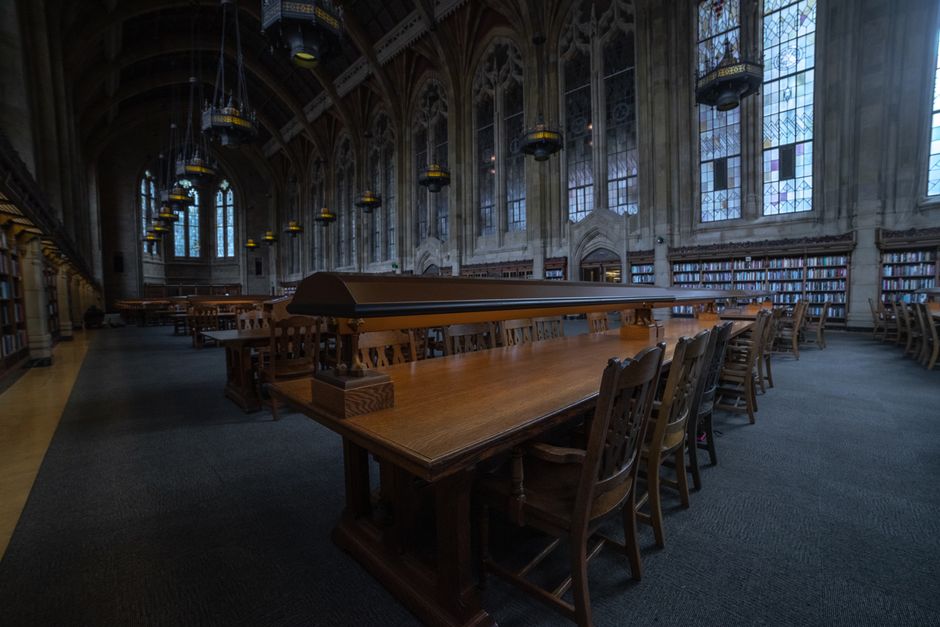
There’s a ceiling on the boarding-school subgenre. You hit it around the fourth book where a scholarship student discovers a secret society in a Gothic prep school and someone dies before finals. The bones are good. The execution starts to blur.
On this list:
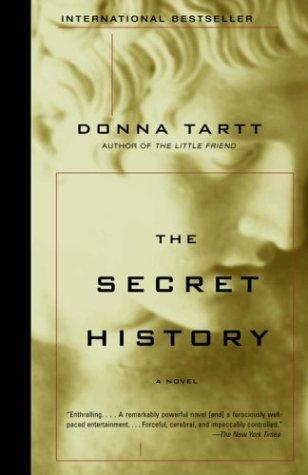
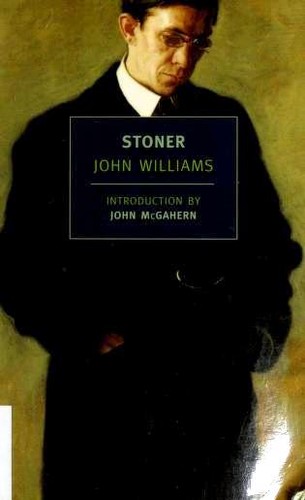
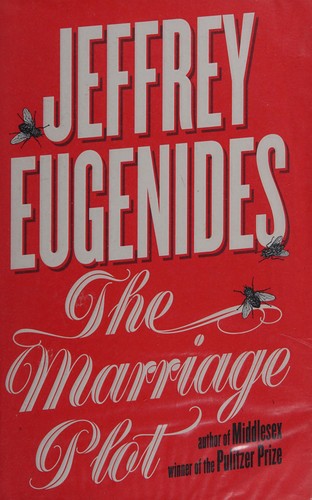
Adult dark academia exists, and it’s better. Graduate programs, faculty feuds, archivists with obsessions that become crimes, professors whose careers are slowly composting under the weight of one bad decision. The stakes are different when the characters have rent, failed relationships, and something real to lose beyond expulsion.
This list is for readers who loved The Secret History precisely because it wasn’t a YA boarding-school story — it was about adults (or almost-adults) doing genuinely adult things to each other.
What Makes Something “Adult” Here
Not just age-rating. The tone. Adult dark academia tends to: take intellectual obsession more seriously (the research matters); use faculty politics as a source of genuine dread; let the romance be complicated and badly timed rather than swoony; and follow consequences past graduation. The campus is a pressure cooker, not a playground.
If you want the boarding-school version, the YA dark academia shelf has you covered. This isn’t it.
10 Adult Dark Academia Books, Argued
1. The Secret History — Donna Tartt (1992)
The obvious anchor, but worth noting: it’s set in a tiny liberal-arts college, narrated in retrospect by a graduate who has spent years digesting his complicity. It reads like adult fiction because it is adult fiction. The students are barely supervised, the professor is a cult figure, and the murder is a consequence of philosophy taken seriously. Everything else on this list is either in conversation with it or doesn’t know it should be.
2. Possession — A.S. Byatt (1990)
Two academics, one contemporary and one Victorian, connected by a discovered cache of letters. The contemporary scholars are scraping by on postdoc stipends and obsession; the Victorian poets are conducting a secret correspondence that rewrites literary history. Byatt writes the research process — the archive, the photocopied manuscript, the competitive paranoia — with more accuracy and more suspense than any thriller. It’s also genuinely funny about academic jealousy, which is the rarest thing.
3. Stoner — John Williams (1965)
Not horror. Not gothic. But this is what adult dark academia looks like stripped of all glamour: a man who loves literature becomes an English professor and has his career dismantled by departmental politics and a vindictive colleague. The dark is not supernatural; it’s institutional. Williams writes it with such precision that the slow ruin of a life feels like watching something collapse in real time. Read it if you want to understand what the aesthetic is actually pointing at underneath the aesthetic.
4. If We Were Villains — M.L. Rio (2017)
Shakespeare conservatory students. One murder. The narrator tells his story to the detective who originally investigated the case — now, a decade later, on the day of his release from prison. It’s closer to The Secret History than almost anything else on this list, and it earns the comparison. If you’ve already read it, the books that follow are different enough to be worth the separate trip.
5. The Marriage Plot — Jeffrey Eugenides (2011)
Three Brown University students, post-graduation, navigating what it means to have studied literature when the world doesn’t need that. It’s funnier and more devastating than it sounds. One character is a semiotics obsessive who can’t stop performing Theory; one is a manic-depressive genius whose illness the novel refuses to romanticize. The academic in-jokes are real. The portrait of what a certain kind of literary education does to a person — the way it equips you to analyze everything and navigate nothing — is as sharp as anything in the genre.
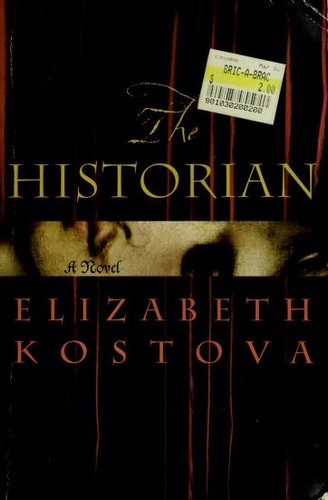
6. The Historian — Elizabeth Kostova (2005)
An Oxford-trained historian begins finding strange documents about Vlad the Impaler. Then her advisor disappears. Then his advisor’s papers surface, and they suggest the same thing happened to him. The novel spans decades and multiple generations of academics, and Kostova uses the library, the archive, and the academic conference as horror settings with total conviction. It’s long — deliberately, archivally long. That’s the point. Dark academia horror doesn’t usually do this much historical research; this one did.
7. Babel — R.F. Kuang (2022)
Oxford, 1830s, translation studies as colonial extraction. The students are adults navigating institutional violence rather than discovering it; the darkness is structural and deliberately argued rather than accidentally atmospheric. Whether it counts as pure dark academia is a reasonable debate — it’s more political thesis than gothic novel — but it belongs on an adult list because it’s doing what the best adult fiction does: using the genre’s furniture to make an argument about power.
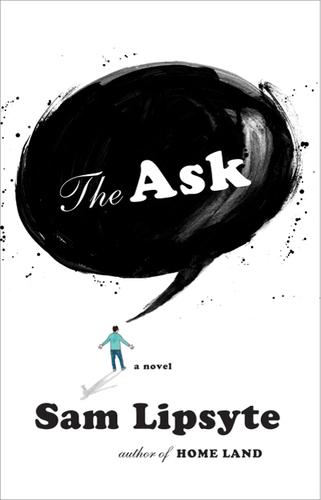
8. The Ask — Sam Lipsyte (2010)
A development officer at a mediocre New York university is failing at his job, his marriage, and most things. When an old college friend re-emerges as a wealthy potential donor, the novel becomes a corrosive comedy about what the American university actually is — not a site of intellectual transcendence, but a fundraising machine with a library attached. It doesn’t have the gothic atmosphere, but it has something better: complete contempt for the institution delivered from inside it, with affection.
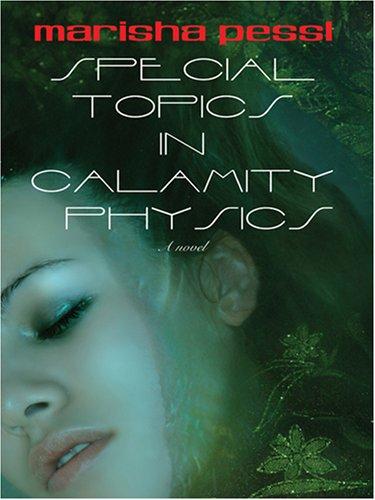
9. Special Topics in Calamity Physics — Marisha Pessl (2006)
Blue van Meer is a hyper-educated nomad whose professor father drags her from campus to campus. Her senior year of high school puts her near a charismatic film studies teacher and a clique of students whose sophistication she finds intoxicating — until the teacher turns up dead. The style is almost aggressively literary (each chapter named after a canonical text, the narrator’s voice dense with allusion), and the mystery is genuinely constructed. It’s technically high school, but it reads like graduate fiction, and the themes are adult.
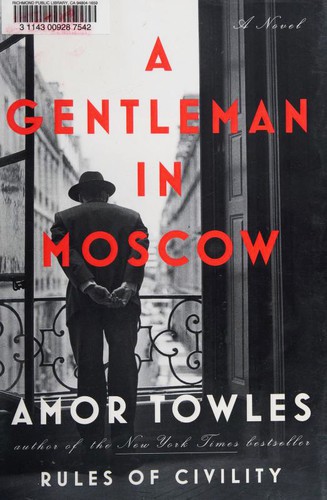
10. A Gentleman in Moscow — Amor Towles (2016)
An aristocratic count is placed under house arrest in a Moscow hotel for life. He spends that life conducting an elaborate study of literature, history, food, and human nature from a space of enforced limitation. It has no campus, no murder, no secret society. What it has is the deep attachment to intellectual life that dark academia is actually about — the idea that the life of the mind is worth structuring a life around, even when that life is a gilded cage. It’s the genre without the genre’s clothes on.
What’s Missing and Why
Several obvious candidates — The Virgin Suicides, My Year of Rest and Relaxation, Ninth House — are missing intentionally. The first two are adult literary fiction but not really about intellectual life. The third belongs on the occult campus list where it’s properly argued.
Graduate school is its own horror genre. The best adult dark academia books understand that the institution is both the thing you love and the thing most likely to ruin you. Stoner knew it in 1965. Babel restated it for 2022. The boarding school never quite gets there — it’s too busy hiding the body before morning assembly.